
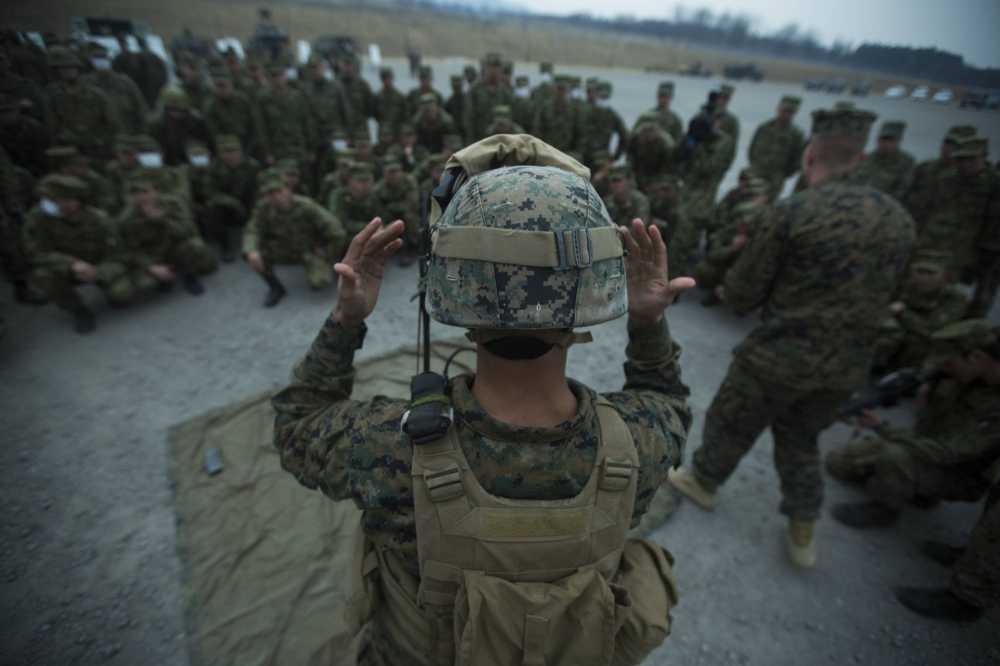

US to Revamp Military Forces in Japan
In a strategic move to bolster regional security and address emerging threats in the Asia-Pacific region, the United States has announced plans to revamp its military forces stationed in Japan. This decision reflects the growing geopolitical complexities in the area, particularly with the rise of China’s military capabilities and the persistent threats from North Korea.
Background
The U.S. military presence in Japan has been a cornerstone of the post-World War II security arrangement between the two nations. Under the Treaty of Mutual Cooperation and Security, signed in 1960, the United States maintains several military bases across Japan, providing a forward-deployed force that can respond quickly to regional contingencies. These forces include the U.S. Seventh Fleet, based in Yokosuka, and significant Marine Corps and Air Force units in Okinawa and other parts of Japan.
Key Components of the Revamp
- Enhanced Defense Capabilities: The U.S. plans to upgrade its defense capabilities in Japan with the deployment of advanced missile defense systems and fifth-generation fighter jets. The introduction of the Aegis Ashore missile defense system and additional F-35 Lightning II aircraft will significantly enhance the defensive posture against potential missile threats from North Korea and other adversaries.
- Increased Troop Rotations: To ensure operational readiness and adaptability, the U.S. will increase the frequency of troop rotations. This approach not only allows for a more dynamic presence but also ensures that the forces remain well-trained and prepared for various scenarios.
- Joint Training and Exercises: Strengthening the interoperability between U.S. and Japanese forces is a critical component of the revamp. Joint training exercises, such as the annual Keen Sword and Rim of the Pacific (RIMPAC) drills, will be expanded to include more complex and realistic scenarios, enhancing the readiness of both nations’ forces to respond to potential conflicts.
- Infrastructure Upgrades: Significant investments will be made in upgrading the existing military infrastructure in Japan. This includes modernizing airfields, improving logistical support facilities, and constructing new training ranges to accommodate the advanced weapon systems and increased troop presence.
Strategic Implications
The revamp of U.S. military forces in Japan is a clear signal of the United States’ commitment to maintaining stability and security in the Asia-Pacific region. It serves several strategic purposes:
- Deterrence: By enhancing its military capabilities, the U.S. aims to deter potential aggressors, particularly China and North Korea, from taking provocative actions that could destabilize the region.
- Reassurance: The revamp reassures U.S. allies and partners in the region, including Japan, South Korea, and the Philippines, of America’s unwavering commitment to their defense.
- Power Projection: A more robust and agile military presence in Japan allows the U.S. to project power more effectively across the Asia-Pacific, ensuring that it can respond swiftly to any crisis or conflict.
Challenges and Concerns
While the revamp is generally rtpsobatjp seen as a positive step for regional security, it is not without challenges and concerns:
- Local Opposition: In Okinawa, where a significant portion of U.S. forces in Japan are based, there has been long-standing local opposition to the military presence due to issues such as noise, crime, and environmental impact. Balancing strategic needs with local concerns will be crucial.
- Budgetary Constraints: Implementing the planned upgrades and enhancements will require substantial financial investments. Navigating budgetary constraints and securing the necessary funding from Congress will be a critical aspect of the revamp.
- Geopolitical Tensions: The increased U.S. military presence and capabilities may exacerbate tensions with China, leading to a potential arms race and heightened risk of confrontation in the region.
The U.S. decision to revamp its military forces in Japan is a strategic move aimed at ensuring regional security and addressing emerging threats. By enhancing defense capabilities, increasing troop rotations, and improving joint training and infrastructure, the U.S. is positioning itself to effectively respond to the evolving security landscape in the Asia-Pacific. While challenges remain, the revamp underscores the enduring importance of the U.S.-Japan alliance and America’s commitment to maintaining peace and stability in the region.