
Israel Says Hezbollah Will ‘Pay the Price’: An Escalating Conflict
The longstanding tension between Israel and Hezbollah has once again come to the forefront as Israel issued a stern warning that Hezbollah will “pay the price” for its actions. This declaration highlights the escalating conflict and the potential ramifications for the region. Here, we examine the recent developments, the historical context, and the possible outcomes of this renewed hostility.
1. Recent Developments
The recent uptick in hostilities began with a series of provocations and confrontations along the Israel-Lebanon border. Key incidents include:
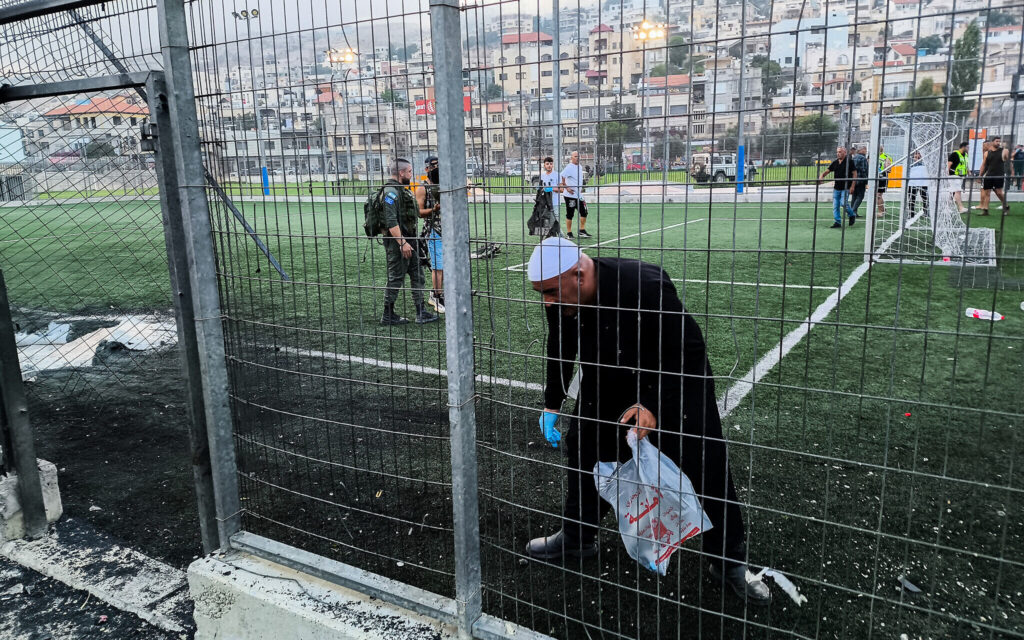
- Border Clashes: There have been several clashes along the border, with both sides exchanging fire. These skirmishes have resulted in casualties and have increased the tension in the region.
- Drone Strikes: Reports indicate that Israel has conducted drone strikes targeting Hezbollah positions in Lebanon, which have been met with retaliatory actions.
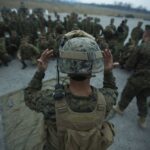
- Military Exercises: Both Israel and Hezbollah have conducted military exercises, showcasing their readiness for a potential full-scale conflict.
2. Historical Context
The conflict between Israel and Hezbollah is deeply rooted in historical and geopolitical dynamics. Key points in this history include:
- 1982 Lebanon War: Hezbollah emerged as a significant force during and after the 1982 Lebanon War, positioning itself as a major resistance group against Israeli occupation.
- 2006 Lebanon War: A major conflict erupted in 2006, resulting in significant casualties and destruction on both sides. This war ended in a ceasefire but did not resolve the underlying issues.
- Continued Hostilities: Over the years, there have been numerous skirmishes, border incidents, and periods of heightened tension, with both sides preparing for potential future conflicts.
3. Hezbollah’s Position
Hezbollah, a Shia Islamist political and militant group based in Lebanon, has maintained a strong anti-Israel stance. Key aspects of its position include:
- Resistance Movement: Hezbollah positions itself as a defender of Lebanon and a resistance movement against Israeli aggression.
- Iranian Support: The group receives substantial support from Iran, including financial aid, weapons, and training, which bolsters its military capabilities.
- Domestic Influence: In Lebanon, Hezbollah holds significant political power, controlling a large number of parliamentary seats and maintaining a strong influence over government decisions.
4. Israel’s Stance
Israel views Hezbollah as a significant security threat. Key elements of Israel’s stance include:
- Security Threat: Israel considers Hezbollah’s military capabilities, including its extensive rocket arsenal, as a major threat to its northern regions.
- Preemptive Actions: Israel has conducted numerous preemptive strikes against Hezbollah to disrupt its operations and limit its military buildup.
- International Support: Israel relies on support from allies, particularly mahjong 288 login the United States, which provides military aid and political backing.
5. Potential Outcomes
The escalating conflict between Israel and Hezbollah could lead to several potential outcomes:
- Full-Scale War: Continued provocations could escalate into a full-scale war, similar to the 2006 Lebanon War, with devastating consequences for both sides and the broader region.
- Diplomatic Resolution: International mediation could lead to a temporary de-escalation and a renewed ceasefire agreement, although this would likely be a short-term solution.
- Regional Impact: Any significant conflict between Israel and Hezbollah could draw in other regional actors, further complicating the geopolitical landscape in the Middle East.
The warning from Israel that Hezbollah will “pay the price” underscores the fragile and volatile nature of the Israel-Hezbollah relationship. As both sides continue to prepare for potential conflict, the international community watches with concern, aware that any escalation could have far-reaching implications for regional stability. The path forward remains uncertain, with diplomacy and military preparedness both playing critical roles in shaping the future of this enduring conflict.