
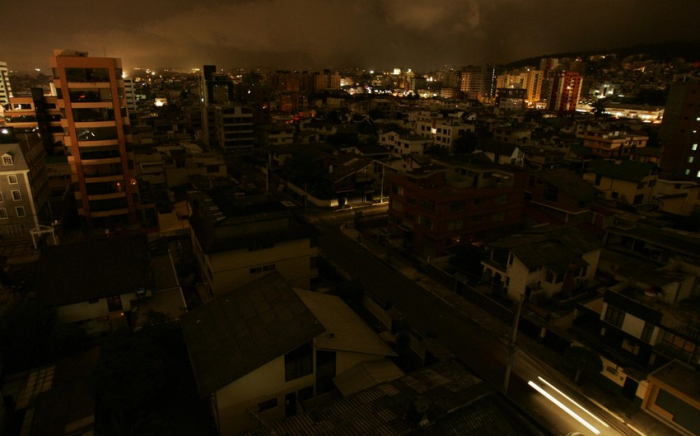

Ecuador Hit by Nationwide Blackout, Leaving 17 Million in the Dark
Ecuador experienced a nationwide blackout that left approximately 17 million people without electricity. The power outage, which began in the early hours of the morning, has caused widespread disruption across the country, affecting homes, businesses, hospitals, and transportation systems.
The blackout struck around 4 a.m. local time, plunging cities and rural areas alike into darkness. Major cities, including Quito, Guayaquil, and Cuenca, reported total power losses. Residents awoke to find their homes without light or power, while public services and businesses faced immediate shutdowns.
Government Response
President Guillermo Lasso addressed the nation in a televised broadcast, assuring citizens that the government is taking all necessary measures to restore power. “We understand the severity of the situation and are working tirelessly to identify the cause and restore electricity as quickly as possible,” he said. The President also urged people to remain calm and patient while authorities handle the crisis.
The Ministry of Energy and Non-Renewable Natural Resources stated that the blackout is likely due to a major failure in the national grid. Initial reports suggest that a significant fault at one of the country’s main power plants may have triggered a cascade of failures across the network. Engineers and technical teams have been dispatched to investigate and repair the issue.
Impact on Daily Life
The blackout has had a profound impact on daily life in Ecuador. Hospitals and medical facilities have switched to backup generators to maintain critical operations, but non-essential services have been suspended. Schools and universities have canceled classes, and many businesses have been forced to close temporarily.
Public transportation systems, including the metro in Quito and bus services across the country, have been severely affected. Commuters faced significant delays and disruptions, with many opting to stay home due to the lack of reliable transport options.
Economic Consequences
The economic impact of the blackout is expected to be substantial. Ecuador’s economy, already struggling with post-pandemic recovery, is likely to face significant setbacks due to the disruption in business activities. Manufacturing plants, retail stores, and service providers have all reported losses due to the power outage.
Public Reaction
While many people have expressed frustration and concern over the extended power outage, there has also been a sense of solidarity and community support. Neighbors are helping each other with essential needs, and social media platforms are flooded with messages of encouragement and updates on the situation.
Steps Towards Restoration
As of now, partial power restoration has been reported in some areas, but full restoration is expected to take time. The government has assured that all available resources are being mobilized to address the issue. International assistance and expertise are also being sought to expedite the repair process.
Looking Ahead
This incident highlights the vulnerabilities in Ecuador’s power infrastructure and the need for robust contingency planning and modernization efforts. Moving forward, there will likely be increased focus on improving the resilience and reliability of the national grid to prevent such widespread outages in the future.
Ecuador’s nationwide blackout has brought the country to a standstill, affecting millions of lives and causing significant economic disruption. As efforts to restore power continue, the incident underscores the importance of a resilient energy infrastructure and proactive measures to safeguard against future crises. The nation waits with bated breath for the return of normalcy and the lessons that will undoubtedly be learned from this challenging episode.