
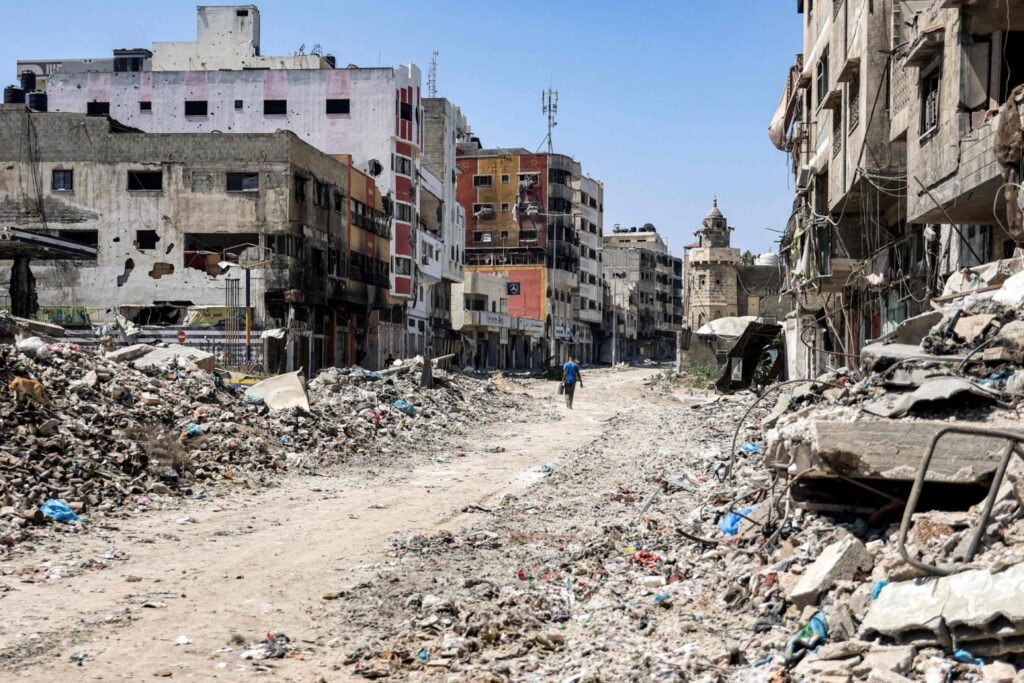

Israeli Military Extends Evacuation Order Amid Ongoing Conflict
In a significant development reflecting the ongoing security challenges in the region, the Israeli military has announced an extension of its evacuation order for residents in certain border areas. The decision comes amidst escalating tensions and a series of hostile incidents that have raised concerns about the safety of civilians living near conflict zones.
The initial evacuation order, which was put into effect last month, aimed to ensure the safety of residents in areas deemed vulnerable to rocket fire and other forms of attack. The regions affected primarily include communities along the Gaza Strip and parts of southern Israel, which have historically been flashpoints in the long-standing Israeli-Palestinian conflict.
Reasons for Extension
The decision to extend the evacuation order follows a recent surge in rocket attacks from militant groups operating within the Gaza Strip. Despite ongoing efforts to broker a ceasefire, the hostilities have persisted, leading the Israeli Defense Forces (IDF) to conclude that the threat level remains high.
IDF spokesperson Lt. Col. Jonathan Conricus stated, “The safety of Israeli citizens is our top priority. Given the continued aggression and the intelligence we have received, extending the evacuation order is a necessary precaution to protect lives.”
Impact on Residents
The extended evacuation order has significant implications for the residents of the affected areas. Many families have been displaced from their homes, seeking refuge in safer parts of the country. The government has been coordinating with local authorities and humanitarian organizations to provide shelter and essential services to those displaced.
For many residents, the ongoing conflict has disrupted daily life and created a climate of uncertainty. “It’s hard to leave your home and not know when you’ll be able to return,” said Miriam Cohen, a resident of one of the evacuated communities. “We understand the need for safety, but it’s a very difficult situation for all of us.”
International Reactions
The extension of the evacuation order has garnered reactions from the international community. Some countries and organizations have expressed support for Israel’s right to defend its citizens, while others have called for renewed efforts towards a diplomatic solution to the conflict.
UN Secretary-General António Guterres emphasized the need for restraint and dialogue, stating, “Both sides must work towards de-escalation and a peaceful resolution. The safety of civilians must be the utmost priority, and efforts must be intensified to achieve a sustainable peace.”
Looking Forward
As the situation remains volatile, the Israeli military continues to monitor developments closely. The extension of the evacuation order underscores the persistent security challenges facing the region and the complexities involved in balancing defense measures with the humanitarian needs of affected populations.
The Israeli government has reiterated its commitment to protecting its citizens while also expressing openness to international mediation efforts aimed at achieving a lasting ceasefire. For now, the focus remains on ensuring the safety and well-being of those caught in the crossfire of this enduring conflict.
The extension of the evacuation order by the Israeli military highlights the ongoing tensions and the need for vigilant security measures in the face of persistent threats. As residents cope with the disruptions to their lives, the broader international community continues to call for peace and stability in a region long marred by conflict. The coming weeks will be crucial in determining whether a path towards de-escalation and dialogue can be achieved, offering hope for a more secure and peaceful future for all involved.