
Helicopter Crash That Killed Iran’s President Was Caused by Climatic Conditions
In a tragic incident that shook the nation of Iran and the global political community, a helicopter crash claimed the life of Iran’s president. The investigation into the crash has revealed that adverse climatic conditions were a primary factor in the accident. This article delves into the details of the event, the impact it had on the country, and what experts are saying about the dangers of operating aircraft in challenging weather conditions.
1. The Incident
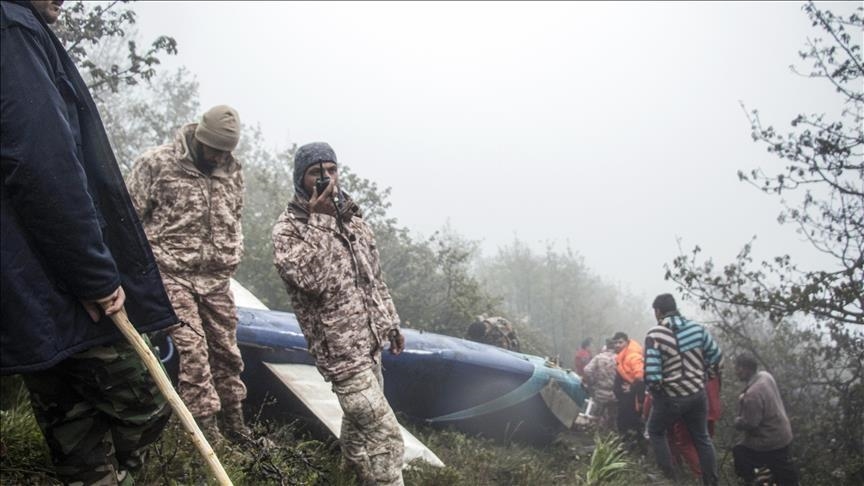
The crash occurred while the presidential helicopter was en route to a remote region of the country. Iran’s president, who was visiting local communities as part of a national tour, was aboard the helicopter along with several other high-ranking officials and members of the security detail. Tragically, no one on board survived the crash.
Initial reports suggested that the helicopter lost contact with air traffic controllers shortly before the accident, leading to widespread concern and eventually confirmation of the crash site.
2. Investigation Findings
In the aftermath of the crash, Iranian aviation authorities launched an investigation to determine the cause of the incident. After analyzing data from the helicopter’s flight recorder and reviewing meteorological reports, investigators have concluded that adverse climatic conditions played a crucial role in the tragedy.
Heavy fog, strong winds, and sudden drops in temperature were all reported in the area where the helicopter was flying. These conditions likely caused a sudden loss of visibility for the pilots, making navigation increasingly difficult. Combined with mountainous terrain, the helicopter’s chances of recovery were severely limited, leading to the fatal accident.
Iranian aviation officials have stated that, based on current data, mechanical failure was ruled out as the cause, reinforcing the theory that environmental factors were the primary trigger.
3. Climatic Dangers to Aviation
The role of weather in aviation incidents is well-documented, with poor weather conditions often contributing to crashes, especially in regions with difficult terrain like Iran’s mountainous areas. Helicopters, while versatile and capable of flying in varied environments, are particularly vulnerable to sudden changes in weather conditions due to their lower altitude and slower speeds compared to airplanes.
In Iran, where many regions are subject to harsh and variable climates, from intense heat to freezing temperatures and dense fog, aviation authorities often warn of the challenges posed by weather to both civil and military operations.
Experts have pointed out that flying in mountainous areas during adverse weather conditions is one of the most dangerous situations for helicopter pilots. Reduced visibility, combined with gusty winds and rapid temperature changes, can lead to disorientation and difficulty in controlling the aircraft.
4. The Broader Impact on Iran
The loss of Iran’s president in the crash is a profound blow to the country, not just politically but also emotionally. The president had been a prominent figure on the national stage, often visiting local communities and advocating for economic and social reform. His death has thrown the country into a period of mourning and uncertainty.
Iranian leadership is now faced with the challenge of appointing a successor while maintaining stability within the government. Additionally, the crash has brought increased scrutiny to the country’s aviation protocols, particularly the safety measures in place for flying in challenging weather conditions.
In response, the Iranian government has announced plans to review and enhance safety standards for all state flights, particularly those involving top officials, to prevent such a tragedy from occurring again.
5. Global Reactions
The international community expressed its condolences to Iran in the wake of the president’s death. World leaders from across the political spectrum acknowledged the loss and offered their sympathies to the Iranian people. The tragedy has served as a stark reminder of the inherent dangers faced by heads of state and other high-ranking officials when traveling, particularly in volatile conditions.
6. The Future of Aviation in Adverse Conditions
The crash has reignited discussions in the aviation industry about improving technologies and procedures for dealing with adverse climatic conditions. Some experts argue that better real-time weather tracking and enhanced pilot training could reduce the risks associated with flying in unpredictable weather.
In response to the crash, Iranian authorities are expected to increase investments in aviation safety technologies, including more advanced weather detection systems and enhanced communication protocols for aircraft flying in remote or challenging areas.
Conclusion
The helicopter crash that killed Iran’s president serves as a tragic reminder of the dangers posed by climatic conditions in aviation. While the investigation has ruled out mechanical failure, it highlights the need for continued advancements in aviation safety, especially in regions prone to volatile weather. As Iran mourns the loss of its leader, the country must also confront the vulnerabilities in its aviation protocols to protect its leaders and citizens in the future.