
Tragic Ice Cave Collapse in Iceland: Tourist Killed, Others Injured
A tragic accident unfolded in Iceland as a tourist was killed and others injured when an ice cave collapsed in the Vatnajökull glacier, one of the largest and most popular tourist destinations in the country. The incident highlights the inherent dangers of exploring ice caves, particularly during the warmer months when melting ice and unstable conditions can lead to unexpected disasters.
The Incident
The collapse occurred in an ice cave located within the Vatnajökull National Park, a region renowned for its stunning ice formations and glacier tours. The victim, whose identity has not been released, was part of a guided group exploring the cave when a section of ice suddenly gave way, causing large chunks of ice to fall onto the group.
Rescue teams were quickly dispatched to the scene, but despite their efforts, the tourist was pronounced dead at the site. Several others sustained injuries, though reports indicate that their injuries are not life-threatening. Emergency responders worked diligently to evacuate the group from the cave and provide medical assistance to the injured.
Ice Cave Dangers
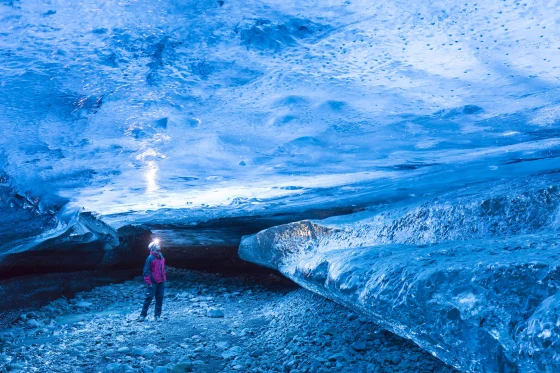
Ice caves, formed by the melting and refreezing of glaciers, are breathtaking natural wonders that attract thousands of tourists each year. However, these formations are also inherently unstable, and the risk of collapse is ever-present, especially during warmer seasons when ice can weaken and shift.
The Vatnajökull glacier, the largest glacier in Iceland and one of the largest in Europe, is a popular destination for adventure seekers looking to explore its vast ice caves. Guided tours are common, with experienced guides leading tourists through the caves while emphasizing safety precautions. Despite these precautions, nature remains unpredictable, and tragedies like this underscore the dangers of venturing into such environments.
Warnings and Safety Measures
Following the accident, Icelandic authorities have issued renewed warnings about the risks associated with ice caves. Tourists are urged to only enter ice caves with professional guides who are familiar with the conditions and risks. Additionally, it is essential to check weather forecasts and glacier conditions before embarking on any such adventure.
Glacial formations are constantly changing, and even small shifts in temperature can drastically affect the stability of ice caves. Tour operators and guides regularly assess the safety of caves before allowing visitors to enter, but the dynamic nature of glaciers means that no cave is ever completely risk-free.
Icelandic authorities are working to improve safety measures for tourists, including increased monitoring of glacial conditions and more stringent regulations for ice cave tours.
A Heartbreaking Reminder
This tragic incident serves as a heartbreaking reminder of the power and unpredictability of nature. Iceland’s glaciers and ice caves are awe-inspiring, but they also demand respect and caution. As tourism continues to grow in the country, both authorities and tour operators are faced with the challenge of balancing the allure of these natural wonders with the safety of visitors.
The family of the deceased tourist is being notified, and an investigation into the cause of the collapse is underway. Meanwhile, Iceland continues to mourn the loss of a life amidst one of its most beautiful and dangerous landscapes.
Conclusion
While Iceland’s ice caves offer an extraordinary glimpse into the beauty of nature, they also come with significant risks. This tragic ice cave collapse is a stark reminder of the dangers that can arise in such environments. Tourists are urged to prioritize safety and be aware of the potential hazards when exploring the country’s glaciers.
Authorities in Iceland will continue to review and strengthen safety protocols to ensure that future visitors can enjoy these magnificent landscapes while minimizing the risks.