
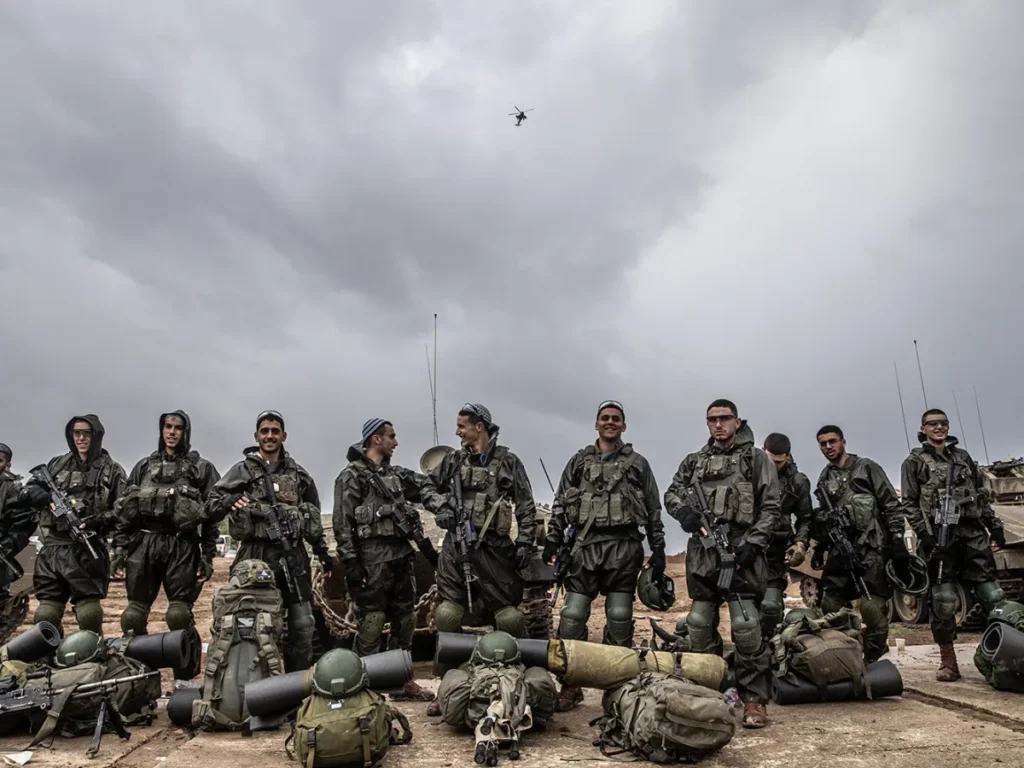

The US Held Off Sanctioning This Israeli Army Unit Despite Evidence of Abuses
In a significant revelation, it has come to light that the United States refrained from sanctioning an Israeli army unit despite substantial evidence of human rights abuses. This decision has sparked controversy and raised questions about the complex dynamics of US-Israeli relations and the broader implications for international human rights accountability.
The Israeli Defense Forces (IDF) have long been a focal point of international scrutiny due to their operations in the Palestinian territories. Allegations of human rights violations, including the excessive use of force, unlawful detentions, and mistreatment of civilians, have been documented by various human rights organizations. Among the units under scrutiny, one particular division has faced repeated accusations of engaging in activities that violate international law.
Evidence of Abuses
Numerous reports and investigations by human rights groups, including Amnesty International and Human Rights Watch, have detailed instances where this Israeli army unit allegedly committed abuses. These include:
- Excessive Use of Force: Instances of using live ammunition against unarmed protesters, resulting in significant civilian casualties.
- Arbitrary Arrests and Detentions: Reports of detaining Palestinians without due process and subjecting them to harsh interrogation techniques.
- Home Demolitions: Conducting operations that led to the demolition of Palestinian homes, often without proper legal justification or warning.
These activities have been widely condemned and have contributed to ongoing tensions in the region.
US Response
Despite the mounting evidence, the US government has opted not to impose sanctions on the Israeli unit in question. This decision is understood to be influenced by several factors:
- Strategic Alliance: The US and Israel share a deep and strategic military and political alliance. Sanctioning an Israeli military unit could strain this relationship and have broader geopolitical repercussions.
- Diplomatic Considerations: The US often balances its foreign policy decisions with diplomatic considerations, including maintaining stability in the Middle East and supporting peace processes.
- Political Pressure: Domestic political pressure from pro-Israel lobby groups and constituencies plays a significant role in shaping US policy towards Israel.
Reactions and Implications
The decision to withhold sanctions has been met with mixed reactions:
- Human Rights Advocates: Human rights organizations have expressed disappointment, arguing that the lack of accountability undermines efforts to uphold international human rights standards. They contend that it sets a dangerous precedent and emboldens other state actors to commit similar violations without fear of repercussions.
- Israeli Government: The Israeli government has welcomed the US decision, viewing it as an affirmation of the strong bilateral ties between the two nations. Israeli officials maintain that their military operations are conducted in accordance with international law and are necessary for national security.
- Palestinian Authorities: Palestinian leaders have criticized the US stance, asserting that it perpetuates the cycle of violence and injustice in the region. They call for greater international intervention to protect Palestinian rights.
The US decision to refrain from sanctioning an Israeli army unit despite evidence of abuses highlights the complex interplay of strategic, diplomatic, and political factors that influence foreign policy decisions. While it underscores the strength of the US-Israel alliance, it also raises critical questions about the commitment to human rights and accountability on the global stage. As the situation in the Middle East continues to evolve, the international community will be watching closely to see how these dynamics unfold and what steps, if any, are taken to address the underlying issues of human rights and justice.