
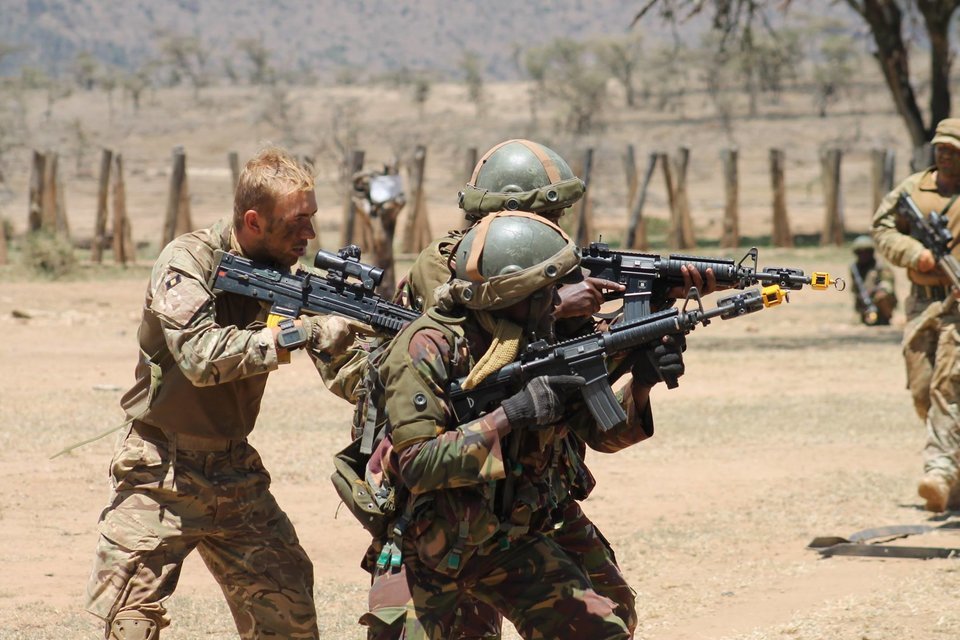

The British Army Trains in Kenya: Strengthening Military Ties and Enhancing Readiness
The British Army’s training operations in Kenya have long been a cornerstone of its efforts to maintain high levels of preparedness and foster international military cooperation. This training initiative, based at the British Army Training Unit Kenya (BATUK), not only enhances the combat readiness of British soldiers but also strengthens the military relationship between the UK and Kenya.
The British Army’s presence in Kenya dates back to the early 20th century, with BATUK formally established in 1964 following Kenya’s independence. This enduring partnership has evolved over the decades, adapting to the changing needs and challenges faced by both nations.
State-of-the-Art Training Facilities
BATUK provides British troops with access to vast training areas and state-of-the-art facilities. The diverse terrain of Kenya, ranging from dense forests to arid deserts, offers an ideal environment for realistic and rigorous military exercises. These facilities enable soldiers to train in a variety of scenarios, enhancing their adaptability and resilience.
Key Training Exercises
One of the most significant exercises conducted at BATUK is Exercise Askari Storm, a biannual event that brings together British and Kenyan forces for joint training operations. This exercise focuses on improving interoperability between the two militaries, emphasizing skills such as urban warfare, counter-insurgency, and peacekeeping.
Additionally, BATUK hosts pre-deployment training for British troops, ensuring they are well-prepared for operations in challenging environments worldwide. The training includes live-fire exercises, tactical maneuvers, and survival skills, all designed to replicate the conditions soldiers might face in combat zones.
Economic and Social Impact
The British Army’s presence in Kenya also has a substantial economic impact on the local communities. BATUK employs a significant number of Kenyan nationals in various roles, from administrative positions to training support. This employment contributes to the local economy and fosters positive relations between the British Army and the Kenyan people.
Moreover, the British Army engages in numerous community outreach programs. These initiatives include building and renovating schools, providing medical assistance, and supporting local development projects. Such efforts highlight the commitment of the British Army to not only train but also to contribute positively to the communities where they operate.
Environmental Conservation Efforts
Recognizing the importance of environmental stewardship, the British Army has implemented several conservation initiatives in Kenya. BATUK collaborates with local organizations to protect wildlife and natural habitats, ensuring that training activities do not adversely impact the environment. These efforts include anti-poaching patrols and habitat restoration projects.
Challenges and Controversies
Despite the many benefits, the British Army’s presence in Kenya has not been without challenges and controversies. There have been instances of friction with local communities over land use and environmental concerns. Both the British and Kenyan governments continue to work towards addressing these issues, striving for a balance between military training needs and local interests.
The British Army’s training operations in Kenya are set to continue, reflecting the enduring strategic importance of this partnership. Future plans include expanding training facilities and increasing joint exercises, further enhancing the capabilities of both the British and Kenyan armed forces.
In conclusion, the British Army’s training in Kenya represents a vital component of its overall military strategy. Through rigorous training exercises, economic contributions, and community engagement, the British Army not only strengthens its own forces but also fosters a robust and mutually beneficial relationship with Kenya. This partnership not only enhances military readiness but also contributes to the broader goals of peace, security, and development in the region.