

Senior Government Official in Gaza Killed in Israeli Airstrike, Hamas Reports
In a significant escalation of the ongoing conflict in Gaza, Hamas has reported that a senior government official was killed in an Israeli airstrike. The attack is part of a recent surge in violence between Israel and militant groups in the region, further intensifying an already volatile situation.
Details of the Incident
According to Hamas, the airstrike targeted a location in Gaza City late Saturday evening, resulting in the death of the senior official. The official, identified as Ahmad al-Khatib, was the Deputy Minister of Internal Affairs in Gaza. Al-Khatib, aged 45, was known for his influential role in the governance and administrative functions of the Gaza Strip under Hamas control.
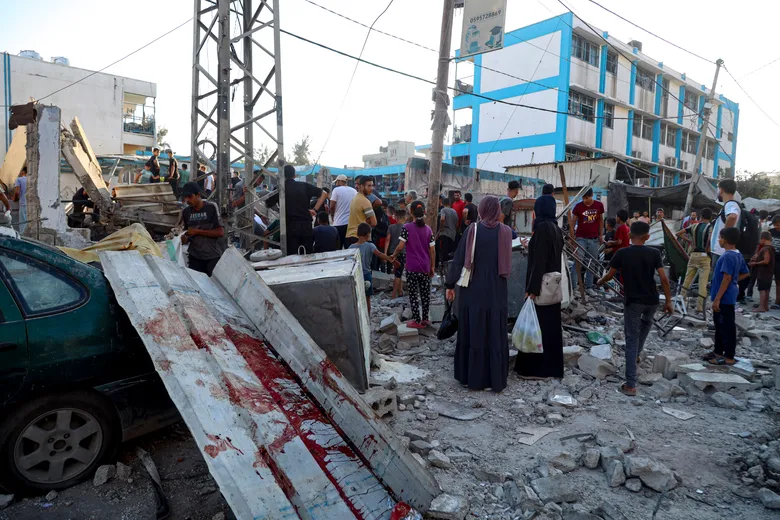
The strike reportedly hit al-Khatib’s residence in the densely populated neighborhood of Shuja’iyya, a known hotspot in the conflict. The blast caused significant damage to surrounding buildings, and emergency responders were seen rushing to the scene to aid the injured and assess the destruction.
Israeli Defense Forces (IDF) Response
The Israeli Defense Forces (IDF) confirmed the airstrike but have not released details about the specific targets or the operational objectives. In a brief statement, the IDF noted that the strike was part of an ongoing campaign to neutralize threats from militant groups in Gaza, citing recent rocket attacks on Israeli territory as a provocation.
“Following repeated rocket fire from Gaza into civilian areas in Israel, the IDF conducted a precision strike targeting key figures and infrastructure involved in orchestrating these attacks,” the statement read. The IDF emphasized that their operations are aimed at protecting Israeli citizens and minimizing civilian casualties whenever possible.
Hamas’ Reaction and Threat of Retaliation
Hamas has condemned the airstrike and vowed to retaliate. In a press release, Hamas spokesperson Fawzi Barhoum accused Israel of targeting civilian leaders and warned of severe consequences. “This crime will not go unanswered. The blood of our leaders and people will not be in vain. Israel will bear full responsibility for the repercussions of this aggression,” Barhoum declared.
The killing of al-Khatib is seen as a significant blow to Hamas’ governance structure, given his strategic role in the internal affairs of Gaza. Analysts suggest that this could lead to increased tension and a potential escalation of hostilities in the coming days.
Humanitarian Impact and International Reactions
According to local health officials, the airstrike that killed al-Khatib also resulted in the deaths of at least four other individuals, with several others injured. Hospitals in Gaza, already strained by years of conflict and limited resources, are struggling to cope with the influx of casualties.
Internationally, there has been a mix of condemnation and calls for restraint. The United Nations has reiterated its call for a ceasefire and the protection of civilians. “We urge all parties to exercise maximum restraint and prioritize the protection of civilians. The cycle of violence must be stopped to prevent further loss of life and suffering,” said UN Secretary-General António Guterres.
In the United States, officials have expressed concern over the escalation and emphasized the need for a diplomatic solution. The U.S. State Department issued a statement urging both sides to de-escalate and resume peace talks. “We are deeply concerned by the loss of life and the ongoing violence. Both sides must work towards a peaceful resolution and refrain from actions that further destabilize the region,” the statement read.
Background of the Conflict
The Gaza Strip, a small Palestinian territory bordered by Israel and Egypt, has been a focal point of conflict for decades. Governed by Hamas since 2007, the region has experienced multiple wars and skirmishes with Israel, leading to severe humanitarian crises and widespread destruction.
The latest round of violence began in June 2024, following a series of incidents including rocket fire from Gaza into Israeli cities and subsequent Israeli airstrikes targeting militant positions. This back-and-forth has resulted in numerous casualties on both sides and has drawn international attention to the ongoing hostilities.
Looking Ahead
The death of Ahmad al-Khatib is likely to inflame tensions further, raising concerns about a potential broader conflict. Both sides have shown little sign of backing down, and the risk of a full-scale military escalation looms large.
As Gaza braces for potential retaliatory attacks and Israel remains on high alert, the international community continues to call for a return to negotiations and a sustainable peace agreement that addresses the underlying issues of the conflict.
In the face of these escalating tensions, the people of Gaza and Israel bear the brunt of the violence, highlighting the urgent need for a peaceful resolution and an end to the cycle of retaliation and suffering.