
Polio Detected in Gaza Sewage Water: Urgent Call for Public Health Measures
Health authorities have raised an alarm following the detection of poliovirus in the sewage water of Gaza. This discovery has prompted immediate action to prevent a potential outbreak of the crippling disease, which had been largely eradicated worldwide.
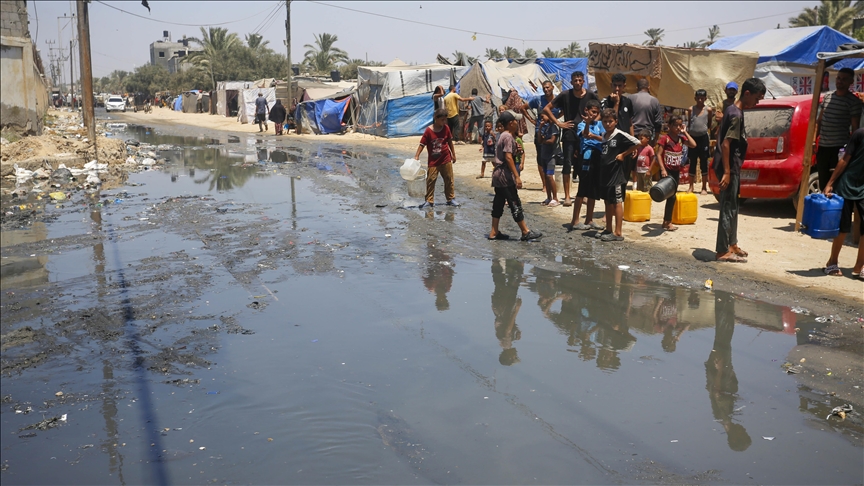
Routine surveillance and environmental sampling conducted by the Gaza Health Ministry identified the presence of poliovirus in the sewage system. This finding is particularly concerning given the crowded living conditions and the ongoing humanitarian challenges in the region, which could facilitate the rapid spread of the virus.
Poliomyelitis, commonly known as polio, is a highly infectious viral disease that primarily affects children under the age of five. The virus spreads person-to-person, typically through contaminated water or food, and can invade the nervous system, potentially causing paralysis or even death.
Historical Context
The global fight against polio has seen tremendous success, with the World Health Organization (WHO) declaring most regions polio-free. However, the virus remains endemic in a few countries, and regions with compromised public health infrastructure are at risk of outbreaks. The detection of polio in Gaza is a stark reminder of the need for vigilance and robust public health measures.
Response Measures
1. Vaccination Campaigns: In response to the detection, health authorities in Gaza, supported by international health organizations, are planning an extensive vaccination campaign. The aim is to immunize all children under the age of five, ensuring herd immunity and preventing the virus from spreading.
2. Public Awareness: Educating the public about polio, its transmission, and prevention measures is crucial. Health officials are utilizing various communication channels to encourage families to participate in the vaccination drives and adopt good hygiene practices.
3. Enhanced Surveillance: Continuous monitoring of sewage water and other environmental samples will help track the presence of the virus and assess the effectiveness of the response measures. Increased surveillance in healthcare facilities for any symptoms of polio will also be critical.
4. International Support: The global health community, including organizations such as UNICEF and WHO, is expected to provide technical and logistical support to Gaza’s health authorities. This includes the supply of vaccines, medical equipment, and expertise to manage the situation effectively.
Challenges Ahead
The detection of polio in Gaza poses significant challenges:
1. Humanitarian Context: Gaza’s complex humanitarian situation, characterized by limited resources, frequent conflicts, and a strained healthcare system, complicates the implementation of comprehensive health interventions.
2. Vaccine Hesitancy: Overcoming vaccine hesitancy is crucial. Misinformation and mistrust in vaccines can hinder efforts to achieve widespread immunization coverage.
3. Mobility Restrictions: Restrictions on movement within and around Gaza can impede the efficient delivery of vaccines and medical supplies. Coordinating with various stakeholders to ensure timely access to essential resources is vital.
The detection of poliovirus in Gaza’s sewage water is a public health emergency that demands immediate and coordinated action. The resilience and cooperation of Gaza’s health authorities, supported by international partners, will be key to preventing a polio outbreak and protecting the health of the population. As the world has seen with previous health crises, timely intervention and widespread immunization are the best defenses against the resurgence of polio.