
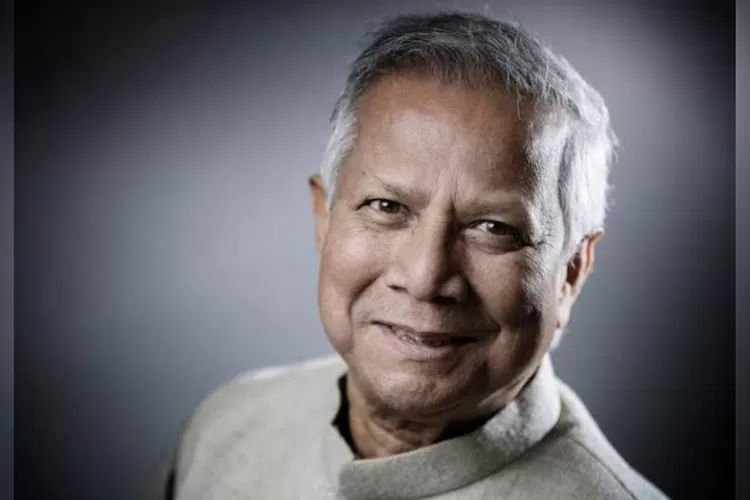

Muhammad Yunus: The Pioneer of Microfinance and Social Business
Muhammad Yunus, a visionary economist and social entrepreneur from Bangladesh, is renowned globally for his groundbreaking work in microfinance and social business. Often referred to as the “Banker to the Poor,” Yunus has dedicated his life to eradicating poverty and empowering the underserved populations through innovative financial solutions and sustainable business models.
Early Life and Education
Muhammad Yunus was born on June 28, 1940, in the city of Chittagong, Bangladesh. He showed early promise as a student, eventually earning a Fulbright scholarship to study in the United States. Yunus obtained his Ph.D. in Economics from Vanderbilt University in 1969, where he developed a deep understanding of economic theory and its potential to address social issues.
The Birth of Microfinance
Yunus’s journey into microfinance began in the mid-1970s, when he was a professor of economics at Chittagong University. Disturbed by the severe poverty he witnessed in the surrounding villages, Yunus sought practical solutions to alleviate the suffering of the poor. He observed that traditional banks were unwilling to provide small loans to the impoverished due to perceived high risks and lack of collateral.
In 1976, Yunus took a bold step by lending $27 of his own money to 42 women in the village of Jobra. These women used the small loans to start or expand tiny businesses, such as weaving bamboo stools, which enabled them to earn a livelihood and repay the loans with interest. The success of this experiment laid the foundation for the creation of the Grameen Bank in 1983.
Grameen Bank: Empowering the Poor
The Grameen Bank, founded by Yunus, operates on principles that challenge conventional banking norms. It provides microloans to the poorest of the poor without requiring collateral. The bank’s innovative approach includes:
- Group Lending: Borrowers form small groups that provide mutual support and accountability. If one member defaults, it affects the entire group, fostering a sense of collective responsibility.
- Focus on Women: The majority of Grameen’s borrowers are women, based on the belief that women are more likely to invest in their families and communities.
- Social Development Programs: Beyond loans, Grameen Bank offers various programs aimed at improving health, education, and social welfare among its clients.
By 2021, Grameen Bank had disbursed over $30 billion in loans to millions of borrowers, with a remarkable repayment rate of around 97%.
Nobel Peace Prize and Global Recognition
In 2006, Muhammad Yunus and the Grameen Bank were jointly awarded the Nobel Peace Prize for their efforts to create economic and social development from below. The Nobel Committee highlighted Yunus’s work in empowering women and providing opportunities for self-sufficiency as a pathway to peace and stability.
Social Business: A New Paradigm
Beyond microfinance, Yunus has been a leading advocate for social business—a business model designed to solve social problems rather than maximize profit. In a social business, profits are reinvested to further the company’s social mission. Yunus outlines this concept in his books, including “Creating a World Without Poverty” and “Building Social Business.”
Some notable examples of social businesses inspired by Yunus include:
- Grameen Danone: A joint venture with Groupe Danone to provide affordable, nutritious yogurt to malnourished children in Bangladesh.
- Grameen Veolia Water: A partnership with Veolia to supply safe drinking water to rural communities.
Legacy and Impact
Muhammad Yunus’s contributions have had a profound impact on global poverty reduction efforts and the field of social entrepreneurship. His work has inspired countless initiatives worldwide, promoting financial inclusion and sustainable development. Yunus continues to be an influential voice, advocating for innovative solutions to address the world’s most pressing social issues.
Muhammad Yunus’s visionary approach to economic empowerment and social business has transformed the lives of millions of people worldwide. His pioneering efforts in microfinance and commitment to social justice have earned him global recognition and respect. As a tireless advocate for the poor and a true social innovator, Yunus’s legacy continues to inspire and drive positive change across the globe.