
More than 200 Dead in Southern Ethiopia Amid Ongoing Violence
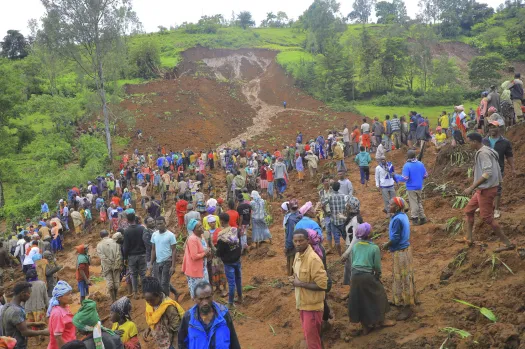
In a tragic development, more than 200 people have been reported dead in southern Ethiopia as a result of escalating violence. The conflict, which has been brewing for months, has intensified in recent days, leading to widespread devastation and loss of life.
Background of the Conflict
The violence in southern Ethiopia is rooted in long-standing ethnic tensions and political disputes. The region, home to multiple ethnic groups, has seen sporadic clashes over resources, land, and political representation. Recent events have exacerbated these tensions, leading to a surge in violent incidents.
Recent Escalation
The latest wave of violence began earlier this month and has rapidly escalated. Reports indicate that armed groups have engaged in fierce battles, attacking villages and displacing thousands of residents. Witnesses describe scenes of chaos, with homes burned, livestock stolen, and communities torn apart.
Government Response
The Ethiopian government has condemned the violence and pledged to restore order. Security forces have been deployed to the affected areas in an attempt to quell the fighting and protect civilians. However, the situation remains volatile, and the presence of armed groups continues to pose a significant threat.
Prime Minister Abiy Ahmed has called for calm and urged all parties to engage in dialogue. “The violence in southern Ethiopia is a tragedy for our nation. We must work together to find a peaceful solution and ensure the safety and security of all our citizens,” he said in a statement.
Humanitarian Impact
The humanitarian impact of the conflict is severe. More than 200 people have lost their lives, and many more have been injured. Thousands of families have been forced to flee their homes, seeking refuge in temporary shelters with limited access to food, water, and medical care.
Humanitarian organizations are scrambling to provide aid, but access to the affected areas is challenging due to ongoing fighting and insecurity. The International Red Cross and other relief agencies have called for immediate support and safe passage to deliver critical supplies to those in need.
International Reaction
The international community has expressed deep concern over the escalating violence in southern Ethiopia. The United Nations has called for an immediate ceasefire and urged all parties to respect human rights and protect civilians.
“The situation in southern Ethiopia is deeply troubling. We call on all parties to cease hostilities and engage in meaningful dialogue to address the root causes of the conflict,” said António Guterres, UN Secretary-General.
Path to Peace
Resolving the conflict in southern Ethiopia will require a multifaceted approach, addressing both immediate security concerns and long-standing grievances. Key steps toward peace include:
- Dialogue and Reconciliation: Engaging ethnic and political leaders in dialogue to address grievances and find common ground is essential for long-term stability.
- Humanitarian Aid: Ensuring that humanitarian aid reaches those in need is crucial. International support and cooperation are needed to provide food, medical care, and shelter to displaced populations.
- Security and Protection: Strengthening security measures to protect civilians and prevent further violence is a priority. This includes deploying peacekeeping forces and enhancing local law enforcement capabilities.
- Development and Inclusion: Addressing underlying issues such as poverty, lack of access to resources, and political marginalization is vital. Promoting inclusive development and equitable resource distribution can help build a more stable and peaceful society.
The violence in southern Ethiopia is a stark reminder of the challenges facing the nation. The loss of more than 200 lives is a tragedy that calls for immediate action and a collective effort to restore peace. As the situation unfolds, the focus must remain on protecting civilians, providing humanitarian aid, and working toward a sustainable resolution to the conflict.