
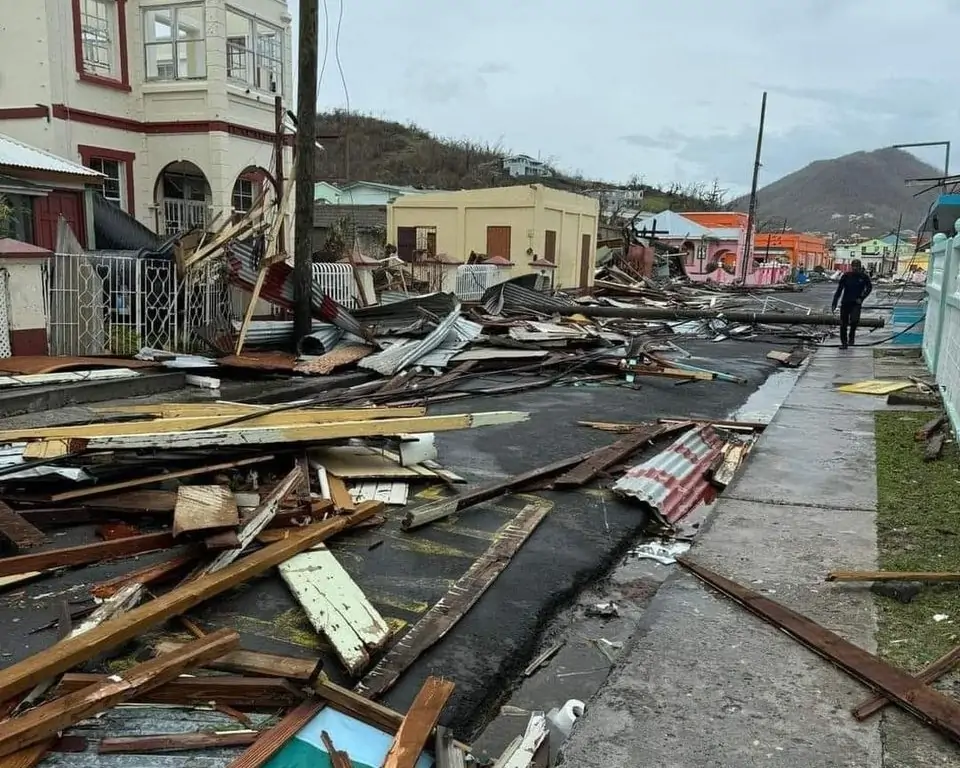

Hurricane Beryl: Impact, Loss, and Recovery Efforts
Hurricane Beryl made a devastating impact on south-east Texas and Louisiana, claiming the lives of at least seven people and leaving millions without power. What began as a category one hurricane intensified into a destructive force that brought widespread damage and tragic consequences to the region.
Hurricane Beryl struck the southern United States on Monday morning, unleashing destructive winds, torrential rain up to 15 inches (38 cm), and life-threatening storm surges. The storm’s aftermath included:
- Fatalities: At least seven deaths were reported in Texas’s Harris and Montgomery counties, with another fatality confirmed in Louisiana. Tragically, these losses included individuals caught in accidents involving downed trees, floods, and structural damage caused by the storm.
- Power Outages: Nearly three million people were left without power across Texas and Louisiana, exacerbating the challenges faced by affected communities as they navigated the aftermath of the storm.
- Transport Disruptions: Houston’s main airport experienced over 1,100 flight cancellations, underscoring the widespread disruptions to transportation infrastructure caused by Beryl’s impact.
Recovery Efforts and Response
In the wake of Hurricane Beryl, emergency responders and local authorities mobilized swiftly to assess damage, restore essential services, and provide assistance to affected residents. Key efforts include:
- Search and Rescue Operations: More than 2,500 emergency responders, including members of the Texas National Guard, were deployed to assist with search and rescue operations and provide humanitarian aid to communities in need.
- Power Restoration: Utility companies worked around the clock to restore power to affected areas, prioritizing critical infrastructure and residential neighborhoods.
- Community Support: Local communities rallied together to support those impacted by the storm, offering shelter, supplies, and emotional support to displaced individuals and families.
Meteorological Impact and Future Preparedness
Meteorologists warned of ongoing risks posed by Beryl, including potential tornadoes and continued flooding in affected regions. As the storm gradually weakened and moved north-northeast, authorities remained vigilant in monitoring its path and preparing for additional weather hazards.
Looking ahead, climate scientists emphasize the need for heightened preparedness and resilience measures in the face of increasing hurricane activity. While it’s challenging to attribute specific storms to climate change, the intensification of hurricanes like Beryl underscores the importance of addressing climate-related factors, such as rising sea surface temperatures, that contribute to storm severity.
Hurricane Beryl’s impact serves as a sobering reminder of the destructive power of nature and the resilience required to recover from natural disasters. As affected communities work towards rebuilding and restoring normalcy, ongoing support and solidarity from local, state, and federal agencies will be crucial in facilitating recovery efforts and strengthening preparedness for future storms.
The aftermath of Hurricane Beryl underscores the importance of community resilience, climate awareness, and effective disaster response strategies in mitigating the impact of severe weather events on vulnerable populations.