

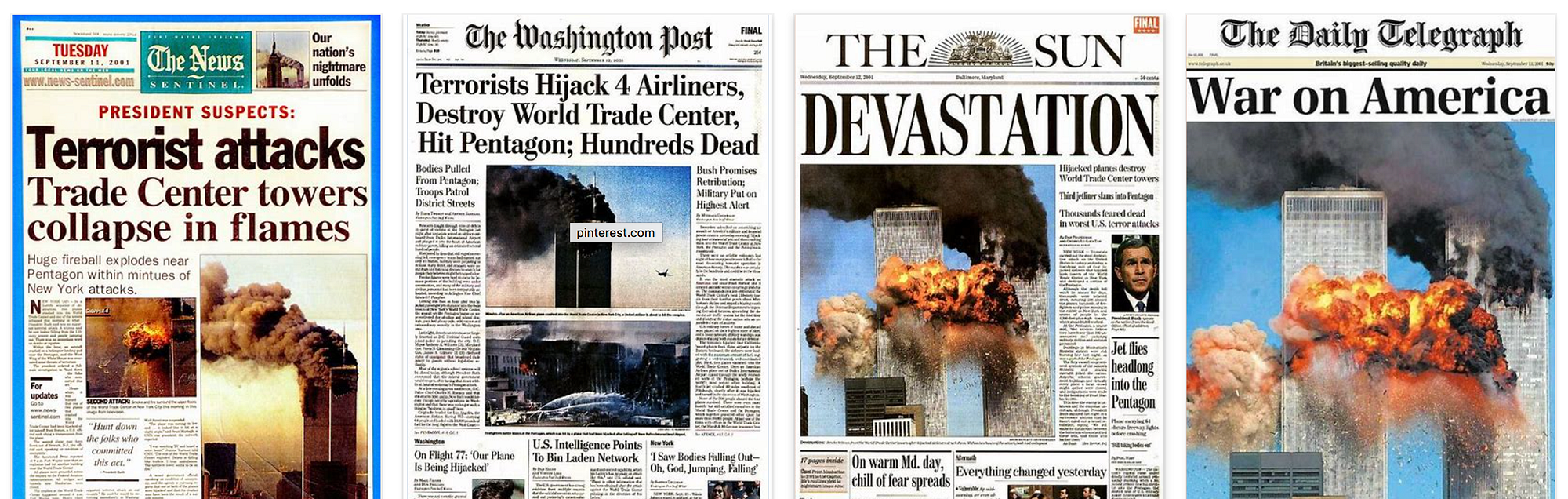
Headlines Bleed: Is Today’s News Worth the Ink?
Introduction
We’re bombarded. Every morning, every commute, every snatched moment between tasks, we’re met with a deluge of headlines screaming for our attention. Wars rage, economies teeter, politicians bicker, and the weather… well, the weather is always doing something newsworthy. But amidst this relentless flow, a question lingers: is today’s news really *worth* the ink – or, more accurately, the bandwidth? Are we truly informed, or simply overwhelmed?
Think about it. How often do you click on a sensational headline, feel a momentary surge of anxiety or outrage, only to forget about it entirely within an hour? How often do you scroll through endless feeds, absorbing snippets of information without truly understanding the context or impact? We’ve become news junkies, chasing the next hit of drama, often at the expense of genuine understanding and thoughtful engagement.
This isn’t just a modern phenomenon, of course. The hunger for news is as old as humanity itself. But the sheer volume and velocity of information in the digital age have created a unique set of challenges. So, let’s dive into why this constant news stream might be doing more harm than good, both in the short and long run.
The Immediate Aches: Short-Term Impacts
In the short term, the overwhelming negativity of much of the news cycle can have a tangible impact on our well-being. Studies have shown a direct correlation between constant exposure to negative news and increased levels of stress, anxiety, and even depression. Imagine starting your day with a barrage of headlines about political corruption and environmental disasters – it’s hardly a recipe for a productive and positive day.
Beyond the emotional toll, information overload leads to what psychologists call “decision fatigue.” When we’re constantly bombarded with information, even seemingly insignificant decisions become more difficult. This can impact our productivity at work, our relationships at home, and even our ability to make healthy choices. After all, who has the mental energy to meal plan when they’ve just spent an hour doomscrolling through apocalyptic headlines?
Furthermore, the echo chamber effect of social media algorithms often reinforces our existing beliefs, creating a distorted view of reality. We’re less likely to encounter dissenting opinions, leading to increased polarization and a decreased ability to engage in constructive dialogue.
The Long Game: Long-Term Consequences
The long-term consequences of this constant news consumption are even more concerning. When we’re constantly reacting to immediate crises, we risk losing sight of the bigger picture. We become less likely to engage in long-term planning, less willing to invest in solutions that require patience and perseverance, and more susceptible to knee-jerk reactions and short-sighted policies.
Think about climate change. Despite decades of scientific evidence, progress remains slow. Why? In part, because the urgency of the problem is often overshadowed by more immediate concerns dominating the headlines. The constant barrage of daily dramas distracts us from the slow-burning, but ultimately far more significant, challenges facing humanity.
Moreover, the constant focus on negativity can erode our trust in institutions and in each other. When every politician is portrayed as corrupt, every corporation as greedy, and every news outlet as biased, it becomes difficult to maintain faith in the possibility of positive change. This cynicism can lead to apathy and disengagement, undermining the very foundations of a healthy democracy.
Reclaiming Your Attention: Practical Solutions
Okay, so the situation sounds bleak. But the good news is, we’re not powerless. We can reclaim control of our attention and build a healthier relationship with the news. Here are a few practical solutions to consider:
- Curate Your Consumption: You wouldn’t eat junk food all day, every day, would you? Apply the same principle to your news diet. Choose a few reliable sources known for their in-depth reporting and balanced perspectives. Avoid clickbait-driven websites and social media echo chambers.
- Example: Instead of scrolling through Twitter, subscribe to a weekly newsletter from a reputable news organization that provides a curated summary of the most important events.
- Limit Your Exposure: Set specific times for checking the news and stick to them. Avoid checking your phone first thing in the morning or right before bed. Create digital-free zones in your home, such as the bedroom or dining table.
- Example: Designate 30 minutes each evening to catch up on the day’s headlines, then switch off notifications and focus on other activities.
- Seek Out Solutions-Focused Journalism: Not all news is doom and gloom. There are many news outlets and organizations dedicated to reporting on solutions to pressing problems. Actively seek out these sources to balance out the negativity.
- Example: Explore websites like *Reasons to be Cheerful* or *Positive News*, which focus on highlighting innovative solutions to global challenges.
- Engage in Deeper Reading: Instead of skimming headlines, take the time to read in-depth articles and analysis. This will help you understand the context and nuances of complex issues.
- Example: Choose one or two long-form articles to read each week, focusing on topics that genuinely interest you.
- Practice Media Literacy: Learn to identify biases, propaganda, and misinformation. Develop critical thinking skills to evaluate the credibility of different sources.
- Example: Take an online course on media literacy or consult resources from organizations like the News Literacy Project.
- Take a News Fast: Consider taking a break from the news altogether for a week or even a month. This can help you reset your relationship with information and gain a new perspective.
- Example: Announce to your friends and family that you’re taking a news fast and ask them to respect your decision.
Alternative Approaches for Different Lifestyles
The best approach will vary depending on your individual circumstances and preferences. Here are a few alternative approaches to consider:
- The “Minimalist” Approach: Focus on staying informed about the issues that directly impact your life, such as local politics or environmental concerns in your community.
- The “Balanced Diet” Approach: Combine mainstream news sources with independent journalism and alternative perspectives to gain a more well-rounded understanding of the world.
- The “Deep Dive” Approach: Choose a specific topic that you’re passionate about and dedicate your time to learning everything you can about it.
The Ink is Still Wet: A Call to Action
The headlines may continue to bleed, but we don’t have to let them drown us. By reclaiming our attention, curating our consumption, and seeking out solutions-focused journalism, we can build a healthier relationship with the news and create a more informed and engaged society.
This isn’t about ignoring the problems of the world. It’s about engaging with them in a way that empowers us to take action and create positive change. It’s about recognizing that the ink is still wet, and we still have the power to write a new narrative.
So, take a deep breath, step away from the endless scroll, and choose to be intentional about how you consume information. The world needs informed and engaged citizens, not overwhelmed and anxious news junkies. The choice is yours. Make it a conscious one. You might be surprised by the positive impact it has on your well-being, your relationships, and your ability to make a difference in the world.
