
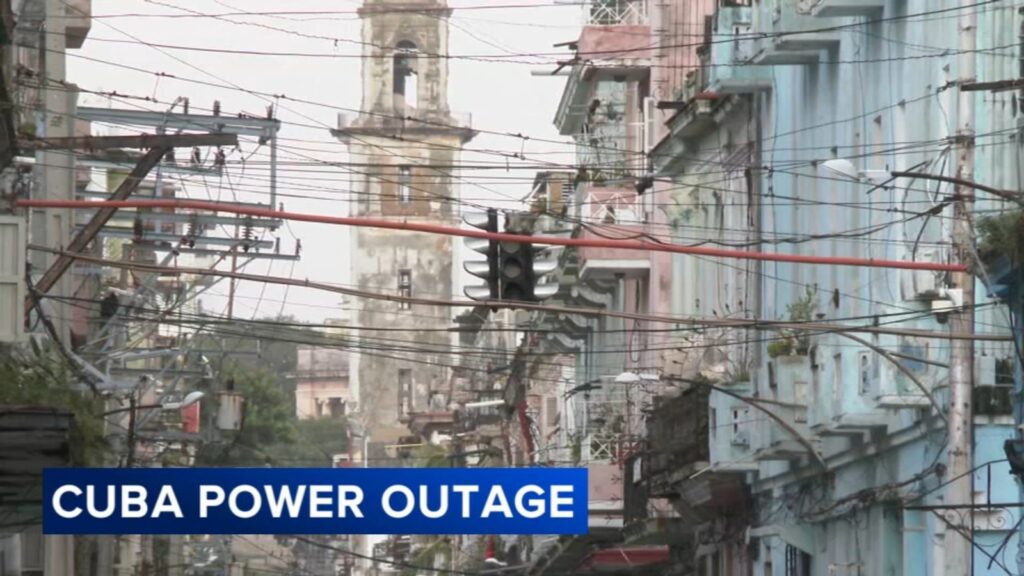

Cuba is facing yet another devastating blow as its already fragile power grid collapsed for the fourth time this year, just as a powerful hurricane made landfall on the island. The widespread blackout, which has left millions without electricity, comes as the country grapples with ongoing infrastructure challenges exacerbated by economic hardships, fuel shortages, and a relentless string of natural disasters.
The latest power outage plunged vast regions of the island into darkness, from the capital Havana to smaller towns and rural areas, compounding the difficulties brought by the incoming storm. Cuban authorities have confirmed that the collapse is linked to the overwhelming pressure that the hurricane has placed on an already overstretched electrical system.
Hurricane Worsens Power Woes
The arrival of the hurricane has brought heavy rains, violent winds, and coastal flooding, worsening the situation for a nation that has struggled for months to maintain a steady power supply. Cuban meteorologists reported that the hurricane made landfall in the western part of the country, battering provinces like Pinar del Río, which were still reeling from previous power disruptions and a lack of resources for recovery.
The storm has downed power lines, flooded streets, and damaged key infrastructure, including power plants and electrical substations. Authorities had been working around the clock to brace the grid for impact, but the severity of the hurricane proved too much for Cuba’s aging electrical system, leading to a nationwide blackout.
“Our system simply cannot withstand this level of stress anymore,” said a spokesperson for Cuba’s Electric Union (Unión Eléctrica de Cuba). “The grid was already on the brink, and the storm was the final straw.”
Widespread Impact
The blackout has had immediate and far-reaching consequences for Cuba’s 11 million residents. Hospitals, already dealing with shortages of medical supplies and fuel for generators, are struggling to care for patients without reliable electricity. Food supplies are at risk of spoiling, and communication networks have been severely disrupted.
For many Cubans, this latest power grid collapse is an all-too-familiar situation. With previous outages lasting days or even weeks, many households are bracing for extended blackouts as officials work to restore power. The recurring failures of the grid have become a point of frustration for Cubans, who have grown increasingly disillusioned with the government’s ability to address the island’s infrastructure crisis.
“This is the fourth time this year we’ve had a total blackout, and it’s always the same—no explanation, no plan, no help,” said a resident in Havana. “We just have to wait in the dark, hoping the power comes back before everything in the fridge goes bad.”
A Collapsing Infrastructure
Cuba’s electrical grid has been on the verge of collapse for years, a consequence of outdated infrastructure, economic mismanagement, and the effects of the U.S. trade embargo, which has limited access to parts and fuel. In recent months, the situation has been worsened by global fuel shortages and rising oil prices, leaving the government unable to secure the resources needed to stabilize the grid.
The frequent power titanslot88 outages have crippled everyday life in Cuba, affecting everything from public transportation to water distribution. In rural areas, where power restoration is often slow, residents have been forced to rely on candles and makeshift solutions to cope with the blackouts.
Cuba’s energy problems are also tied to the country’s dependence on its aging thermoelectric plants, many of which were built in the 1970s and 1980s and are now operating at reduced capacity due to lack of maintenance. Renewable energy initiatives, which the government had hoped to expand, have stalled due to financial constraints and technological limitations.
Government Response and Public Discontent
Cuban officials have acknowledged the severity of the situation and pledged to restore power as quickly as possible, though no clear timeline has been given. The government has also begun evacuating vulnerable areas in anticipation of severe flooding and potential landslides caused by the hurricane.
“We are doing everything we can to restore power and protect the population from the storm,” said Cuba’s Minister of Energy, Liván Arronte Cruz, in a televised address. “We ask for patience as we work to stabilize the grid.”
However, public patience is wearing thin. The ongoing blackouts have sparked protests and increased criticism of the government’s handling of the country’s infrastructure. Many Cubans feel that the leadership has not done enough to modernize the power grid or secure alternative sources of energy, leaving the island vulnerable to recurring crises.
A Long Road to Recovery
As Cuba faces the immediate challenges of the hurricane, the long-term question of how to rebuild and modernize its power grid remains. Experts have warned that without significant investment and international assistance, the island will continue to face blackouts and energy insecurity, particularly as climate change intensifies the frequency and severity of natural disasters.
For now, the priority is weathering the storm and restoring power to the millions of Cubans left in the dark. But as the country moves forward, the need for a sustainable solution to its energy crisis is becoming more urgent than ever.
“We need real change, not just quick fixes,” said one frustrated Havana resident. “Otherwise, we’ll be facing this same nightmare again and again.”