

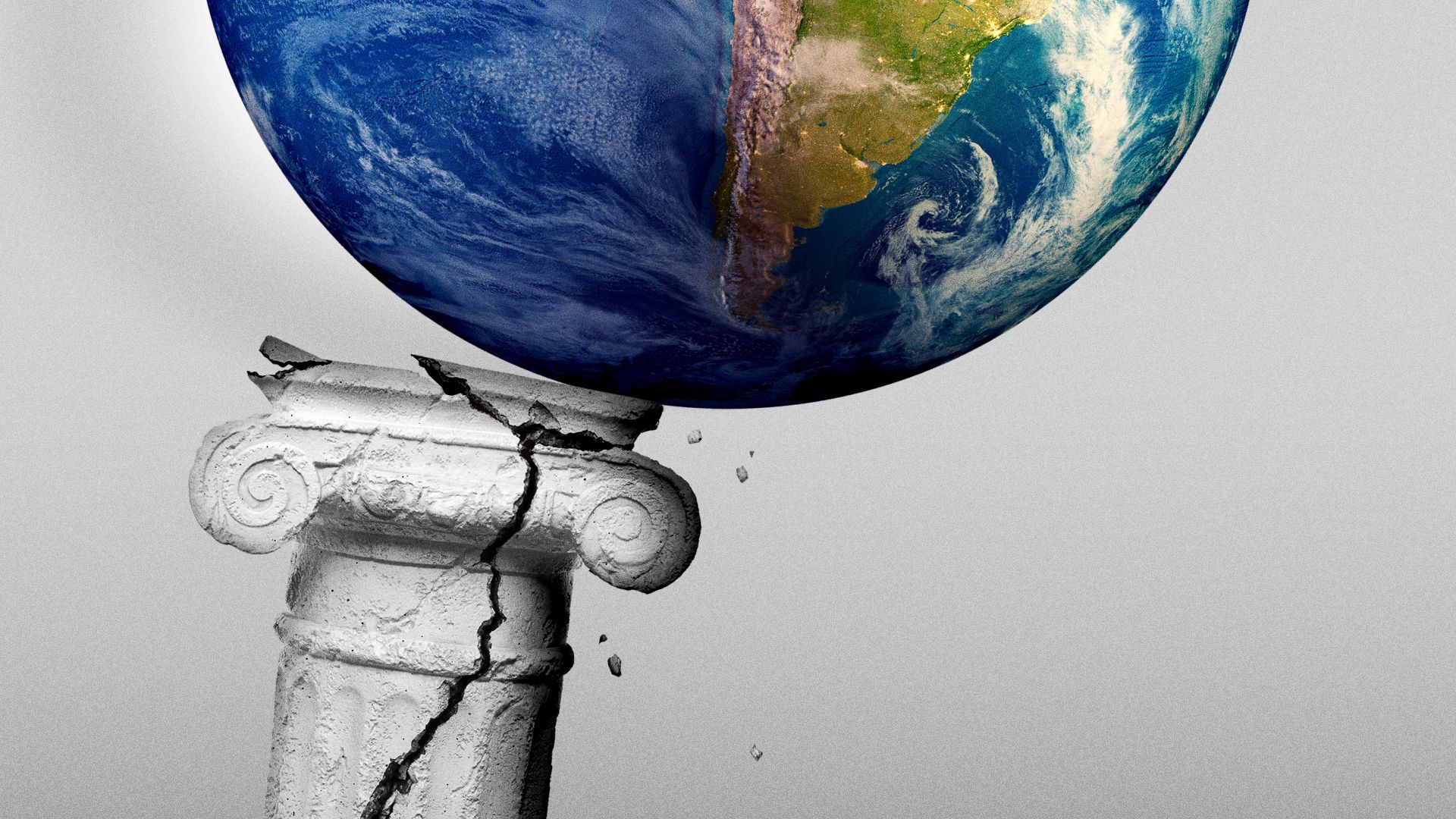
BREAKING: World on Edge
Introduction
Ever feel like you’re watching a suspense movie, only it’s real life? Global tensions are running high, and it feels like we’re constantly teetering on the edge. From economic uncertainties to geopolitical hotspots, it’s easy to feel overwhelmed. But before you resign yourself to doomsday prepping, let’s unpack what’s happening and, more importantly, what we can do about it.
The Tightrope Walk: Understanding the Current Landscape
The world stage is a complex tapestry woven with threads of cooperation and conflict. Right now, some of those threads are fraying. Think of inflation squeezing wallets worldwide, supply chains still recovering from pandemic disruptions, and political divisions deepening within and between nations. We’re also grappling with the looming threat of climate change, which exacerbates existing inequalities and vulnerabilities.
The war in Ukraine is a stark reminder of the fragility of peace and the devastating consequences of conflict. It has not only caused immense human suffering but has also sent shockwaves through global energy and food markets. Meanwhile, tensions simmer in other regions, fueled by historical grievances, resource competition, and ideological differences.
But it’s not all doom and gloom. There are also glimmers of hope – scientific breakthroughs, grassroots movements advocating for positive change, and international efforts to address global challenges. The key is to understand the interplay of these forces and find ways to navigate the complexities.
Short-Term Pain, Long-Term Gain (Maybe): The Impact on Our Lives
So, what does all this mean for you and me? In the short term, we’re likely to feel the pinch in our wallets. Inflation means higher prices for everyday goods, from groceries to gas. Uncertainty can also lead to market volatility, affecting investments and retirement savings.
Beyond finances, global tensions can contribute to a sense of unease and anxiety. News headlines are filled with conflict, disaster, and political division, making it difficult to stay optimistic.
In the long term, the stakes are even higher. Unresolved conflicts can escalate, leading to wider wars with devastating consequences. Climate change threatens to disrupt ecosystems, displace populations, and exacerbate resource scarcity. Failure to address these challenges could lead to a more unstable and unequal world.
Turning the Tide: Practical Solutions You Can Embrace
Okay, enough with the problems. Let’s talk solutions. The good news is that even in the face of global challenges, there are concrete steps we can take to make a difference, both individually and collectively.
- Become an Informed Citizen: Knowledge is power. Stay informed about global events, but be discerning about your sources. Seek out reputable news organizations and fact-check information before sharing it. Understanding the root causes of conflicts and challenges is the first step towards finding solutions.
- Example: Instead of just reading headlines, delve into in-depth analysis from organizations like the Council on Foreign Relations or the Brookings Institution.
- Support Sustainable Practices: Climate change is a global challenge that requires collective action. But individual choices can also make a difference. Reduce your carbon footprint by conserving energy, using public transportation, eating less meat, and supporting businesses committed to sustainability.
- Case Study: The city of Copenhagen has made significant strides in reducing its carbon emissions by investing in renewable energy, promoting cycling, and implementing energy-efficient building codes.
- Engage in Your Community: Get involved in local initiatives that address social and economic issues. Volunteer your time, donate to organizations you believe in, and advocate for policies that promote equality and opportunity.
- Example: Participate in local food banks, support affordable housing initiatives, or volunteer at community gardens.
- Practice Empathy and Understanding: Global tensions often stem from misunderstandings and prejudice. Make an effort to learn about different cultures and perspectives. Engage in respectful dialogue with people who hold different views.
- Tip: Read books and articles by authors from diverse backgrounds, watch foreign films, and travel to different countries (when possible).
- Promote Peace and Diplomacy: Support organizations that work to resolve conflicts peacefully and promote international cooperation. Advocate for diplomatic solutions to global challenges.
- Example: Contact your elected officials and urge them to support diplomatic efforts to resolve conflicts and address global issues.
- Invest in Education and Innovation: Education is the key to unlocking human potential and solving complex problems. Support initiatives that promote access to quality education for all. Invest in research and development of new technologies that can address global challenges.
- Example: Support scholarships for students from disadvantaged backgrounds, advocate for increased funding for scientific research, and invest in companies developing sustainable technologies.
- Financial Resilience: Protect yourself from economic volatility by diversifying your investments, building an emergency fund, and managing your debt responsibly.
- Actionable Step: Consult with a financial advisor to create a personalized financial plan that takes into account your risk tolerance and financial goals.
Alternative Approaches: Choosing the Right Path for You
The solutions outlined above are not one-size-fits-all. The best approach will depend on your individual circumstances, values, and priorities. Here are some alternative approaches to consider:
- Focus on Local Action: If you feel overwhelmed by global challenges, focus on making a difference in your local community. Start a community garden, organize a neighborhood cleanup, or volunteer at a local charity.
- Advocate for Systemic Change: If you believe that systemic change is necessary to address global challenges, get involved in political activism. Join a political party, support advocacy groups, and contact your elected officials.
- Cultivate Inner Peace: In the face of global uncertainty, it’s important to cultivate inner peace and resilience. Practice mindfulness, meditation, or yoga to reduce stress and anxiety.
The Silver Lining: A Reason for Optimism
It’s easy to feel discouraged by the challenges facing the world. But it’s important to remember that humanity has overcome countless obstacles throughout history. We have the ingenuity, the resources, and the will to create a better future.
The key is to act. Don’t let fear or apathy paralyze you. Take small steps, build momentum, and inspire others to join you. Together, we can turn the tide and create a more just, sustainable, and peaceful world.
The world may be on edge, but so is a tightly strung guitar string, and it can create a beautiful melody. It’s our choice to play a song of discord or harmony. Let’s choose harmony, and let’s start now. The future is not predetermined. It’s ours to create. Are you ready to get started?
