
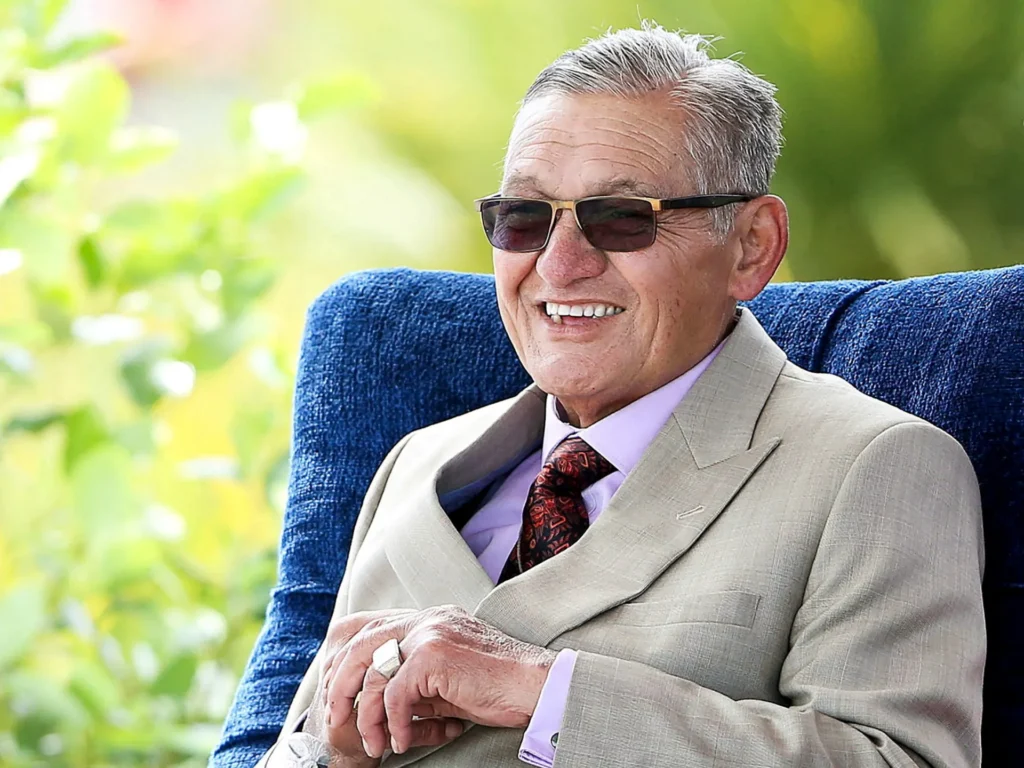

New Zealand’s Māori King Dies at Age 69: A Nation Mourns
New Zealand is in mourning after the death of the Māori King, Te Arikinui Tūheitia Paki, at the age of 69. The King, who was a pivotal figure for the Māori people and the nation as a whole, passed away peacefully on August 31, 2024, leaving behind a legacy of leadership, cultural preservation, and advocacy for indigenous rights.
A Leader Steeped in Tradition
Te Arikinui Tūheitia Paki was born on April 21, 1955, and was the eldest son of Te Arikinui Dame Te Atairangikaahu, the first Māori Queen. He assumed the role of Māori King in 2006 following the death of his mother, becoming the seventh leader in the Kīngitanga (Māori King Movement), which was established in the 1850s to unify the Māori people under a single figurehead during times of strife and land conflict with the British colonial government.
King Tūheitia was a leader who was deeply connected to his people and their customs. His reign was marked by a commitment to the cultural and economic empowerment of the Māori community. He played a crucial role in bridging the gap between Māori and non-Māori New Zealanders, advocating for reconciliation and understanding between the different communities within the nation.
Achievements and Challenges
Throughout his 18-year reign, King Tūheitia championed various causes, including the protection of Māori land and waterways, the promotion of Māori language and culture, and the improvement of health and education outcomes for Māori communities. He was a vocal supporter of the Treaty of Waitangi, the founding document of New Zealand, and worked tirelessly to ensure its principles were honored.
One of King Tūheitia’s notable achievements was his involvement in the settlement of historical grievances between the Crown and Māori iwi (tribes). Under his leadership, several significant Treaty settlements were finalized, bringing justice and economic benefits to many Māori groups. He also supported initiatives aimed at revitalizing the Māori language, which has seen a resurgence in recent years.
However, his reign was not without challenges. King Tūheitia faced criticism from some quarters regarding the management of the Kīngitanga’s finances and the direction of the movement. Despite these difficulties, he remained a respected and unifying figure for many Māori, particularly in the Waikato region, where the Kīngitanga is based.
A Nation’s Grief and Tribute
The news of King Tūheitia’s passing has been met with an outpouring of grief across New Zealand. Tributes have poured in from leaders, dignitaries, and members of the public, all recognizing his contributions to the nation and the Māori people.
Prime Minister Chris Hipkins expressed his condolences, saying, “King Tūheitia was a leader who stood tall for his people and for all New Zealanders. His dedication to justice, equity, and cultural preservation has left an indelible mark on our nation.”
Tangi (funeral rites) for King Tūheitia will be held at Tūrangawaewae Marae in Ngāruawāhia, the traditional home of the Kīngitanga. The tangi is expected to draw thousands of mourners, including iwi leaders, political figures, and international dignitaries, all of whom will come to pay their respects and honor the life of a man who was more than a leader—he was a symbol of hope, unity, and resilience for the Māori people.
The Future of the Kīngitanga
With the passing of King Tūheitia, attention now turns to the future of the Kīngitanga. The movement is likely to continue under a new leader, chosen according to the traditions of the Māori people. The succession process will be watched closely, as the new leader will face the task of continuing the work of King Tūheitia and addressing the ongoing challenges faced by the Māori community.
The legacy of Te Arikinui Tūheitia Paki will undoubtedly live on in the hearts of the Māori people and in the annals of New Zealand’s history. His contributions to the preservation of Māori culture, the pursuit of justice, and the strengthening of ties between Māori and Pākehā (non-Māori) will be remembered for generations to come.
As the nation grieves, it also celebrates the life of a leader who gave his all to his people and his country. The passing of King Tūheitia marks the end of an era, but his influence will continue to shape the future of New Zealand.