
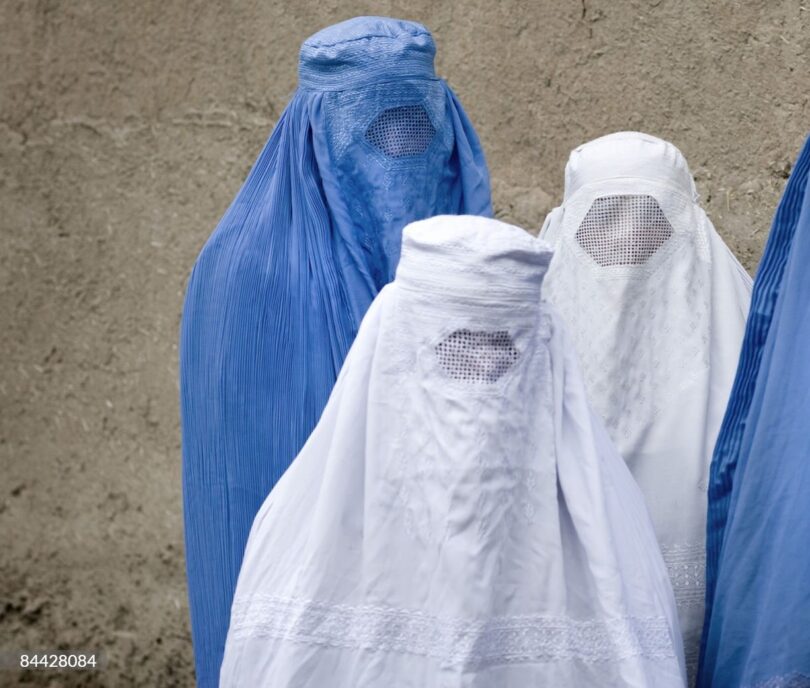

Taliban Bans the Sound of Women’s Voices Singing or Reading in Public: A Deepening Suppression of Women’s Rights in Afghanistan
The Taliban government has implemented a new ban prohibiting women’s voices from being heard in public spaces through singing or reading aloud. This latest directive adds to the growing list of oppressive measures targeting women’s freedoms and rights in Afghanistan, further isolating them from public life and cultural expression. The ban has sparked concern among human rights organizations and the international community, highlighting the Taliban’s ongoing efforts to silence women and enforce their strict interpretation of Islamic law.
The Ban: Silencing Women’s Voices
The new Taliban decree prohibits women from singing or reading aloud in public settings, including cultural events, schools, media, and religious gatherings. Under the ban, women are not allowed to participate in any form of public speech or performance, effectively eliminating their presence from Afghanistan’s auditory landscape.
The Taliban’s move echoes their previous regime’s restrictions in the 1990s, where women were barred from public life, including employment, education, and cultural participation. Since their return to power in 2021, the Taliban have gradually reinstated many of these harsh policies, despite earlier promises of more moderate governance.
Cultural Impact: The Loss of Tradition and Art
Afghanistan has a rich cultural heritage, with women historically playing a vital role in its music, literature, and oral traditions. The ban not only impacts women’s participation in the arts but also erases a significant part of Afghanistan’s cultural identity. Women’s voices in songs and storytelling have been integral to Afghan traditions, particularly in rural areas where oral history is preserved through songs and poetry.
By banning women from singing and reading in public, the Taliban are further dismantling these cultural practices, limiting Afghanistan’s artistic diversity and cutting off a crucial avenue for women to express themselves and share their stories.
Education and Media: The Broader Impact
This ban severely restricts women’s access to public education and media. Women who were once newscasters, teachers, or public speakers are now silenced. Female students may be prohibited from reading aloud in class or participating in discussions, significantly hindering their educational development and intellectual growth. This creates an environment where women’s voices are erased not just in entertainment or culture but also in essential educational and informational spaces.
Media organizations, already struggling under the Taliban’s censorship, now face the additional burden of excluding women’s voices from their broadcasts, interviews, and reports. This has led to an even greater gender imbalance in media representation and the dissemination of information.
Reaction from the International Community
The international community has strongly condemned this latest ban as a flagrant violation of human rights. Human rights organizations, including the United Nations, Amnesty International, and Human Rights Watch, have expressed deep concern about the increasing oppression of women under Taliban rule. They argue that the ban is part of a broader strategy to marginalize women from public life and assert control over their bodies and voices.
Critics argue that the Taliban’s policies amount to gender apartheid, systematically dismantling women’s rights and freedoms. The ban on women’s voices in public, in particular, has been described as a symbolic and literal silencing of women’s agency and identity in Afghanistan.
Afghan Women’s Struggle
Since the Taliban’s return to power, Afghan women have faced severe repression. Women are no longer allowed to attend secondary school or university, work in many sectors, or leave the house without a male guardian. Women’s protests against these oppressive measures have been met with violence, arrests, and intimidation.
Despite the dangers, many Afghan women mponusa slot continue to resist, fighting for their right to be heard. Some women have taken to social media platforms to express their defiance, posting videos of themselves singing or reading in private settings, though they risk severe punishment for these acts of protest.
Women’s rights activists both inside and outside Afghanistan are calling on the international community to take stronger actions, such as diplomatic pressure and sanctions, to hold the Taliban accountable for their human rights violations.
Global Silence and Inaction
Many advocates argue that the international community’s response to the Taliban’s increasing restrictions on women has been inadequate. While there have been statements of condemnation, meaningful action has been limited, leaving Afghan women with few avenues for support. Humanitarian aid has been constrained by political considerations, and efforts to negotiate with the Taliban on women’s rights have largely failed.
The Taliban’s continued crackdown on women’s freedoms underscores the urgency for the global community to stand in solidarity with Afghan women and push for change. Advocacy groups are urging international governments and organizations to provide greater support for Afghan women’s rights initiatives and ensure that women’s voices are not completely extinguished under the Taliban’s rule.
Conclusion
The Taliban’s ban on women’s voices in public represents another dark chapter in the ongoing repression of women’s rights in Afghanistan. This move is not just an attack on women’s freedom of expression but also an erasure of cultural and historical practices that have long been shaped by women’s contributions. As the international community watches, the struggle for women’s rights in Afghanistan continues, with Afghan women fighting for their voices to be heard despite the overwhelming challenges they face.