

Nicaragua Forces 1,500 Church and Civil Society Groups to Close: A Crackdown on Civil Liberties
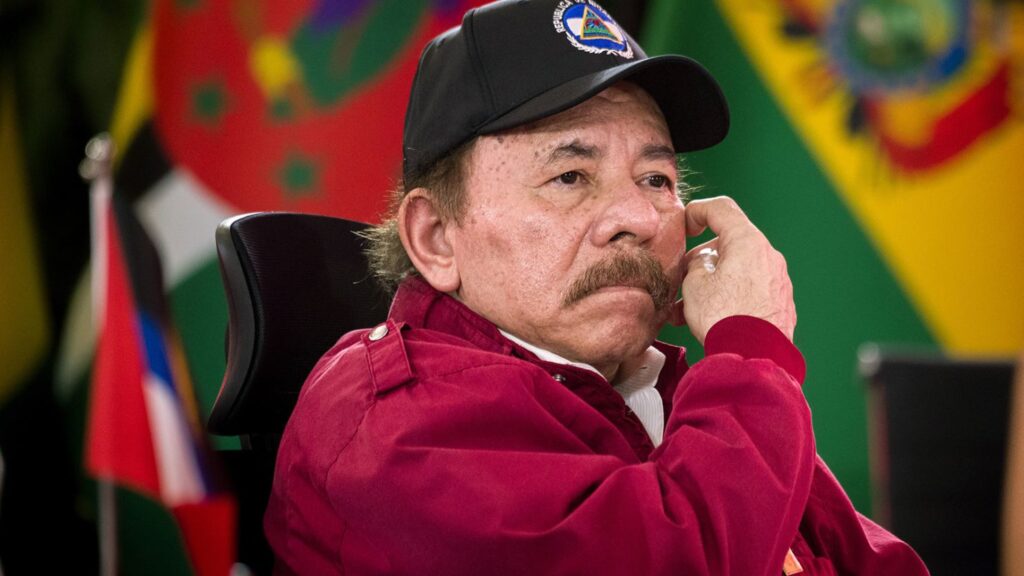
In a concerning development for human rights and civil liberties, Nicaragua’s government has forced the closure of more than 1,500 church organizations and civil society groups. The move is part of an ongoing crackdown by President Daniel Ortega’s administration against entities it deems to be threats to the government’s authority. This sweeping action has sparked international condemnation and raised fears about the erosion of democratic freedoms in the country.
The Government’s Crackdown
Nicaragua’s government has been tightening its grip on civil society for several years, but the forced closure of such a large number of organizations marks an unprecedented escalation. The groups targeted include a wide range of church-affiliated organizations, non-governmental organizations (NGOs), and community-based groups that work on issues such as human rights, education, healthcare, and social services.
These closures are part of a broader campaign by the Ortega administration to silence dissent and stifle independent voices. The government has accused these organizations of operating illegally, failing to comply with regulatory requirements, or engaging in activities that undermine the state. However, critics argue that these accusations are politically motivated, with the government using bureaucratic tactics to eliminate groups that challenge its authority.
Targeting the Church
The crackdown has particularly impacted church organizations, which have played a prominent role in Nicaraguan society. The Catholic Church, in particular, has been a vocal critic of the Ortega regime, speaking out against human rights abuses and calling for democratic reforms. In response, the government has increasingly targeted church leaders and institutions, accusing them of conspiring with foreign powers and inciting unrest.
The forced closure of church-affiliated organizations is seen as an attempt to weaken the influence of religious institutions that have offered support to anti-government protesters and provided aid to communities suffering under Ortega’s rule. The Nicaraguan Bishops’ Conference has condemned the closures, calling them an attack on religious freedom and a violation of the rights of the country’s citizens.
Impact on Civil Society
The closure of civil society groups is a significant blow to Nicaragua’s social fabric. Many of these organizations provide vital services to vulnerable populations, including education, healthcare, and support for victims of violence and poverty. The loss of these services will disproportionately affect those who rely on them, particularly in rural and impoverished areas.
NGOs working on human rights issues have been particularly targeted, with the government accusing them of promoting foreign interference and destabilizing the country. Many of these organizations have documented and reported on government abuses, including the repression of protests, the imprisonment of political opponents, and violations of freedom of speech and assembly.
The government’s actions have also raised concerns about the future of civic engagement in Nicaragua. Civil society groups have historically played an important role in advocating for social change, holding the government accountable, and providing a voice for marginalized communities. With these groups forced to close, the space for independent civic action is shrinking, and the country’s democratic institutions are increasingly under threat.
International Condemnation
The international community has reacted strongly to the closures, with numerous governments and human rights organizations condemning the Nicaraguan government’s actions. The United States, the European Union, and the Organization of American States (OAS) have all issued statements denouncing the crackdown and calling for the restoration of civil liberties in Nicaragua.
Human rights groups mahjong333 such as Amnesty International and Human Rights Watch have also expressed alarm, warning that the Ortega administration is deepening its authoritarian rule. They have called on the international community to increase pressure on the Nicaraguan government to reverse the closures and respect the rights of civil society groups and religious institutions.
The situation has also raised concerns about the safety of activists, church leaders, and other individuals associated with the closed organizations. Many fear that the government’s actions are just the beginning of a broader campaign of repression, with the potential for increased arrests, harassment, and violence against those who continue to speak out.
The Broader Context of Repression
The forced closure of church and civil society groups is part of a broader pattern of repression that has characterized President Ortega’s rule in recent years. Since protests against his government began in 2018, Ortega has systematically dismantled democratic institutions, silenced the press, and imprisoned political opponents. The government’s increasingly authoritarian approach has left Nicaragua isolated on the international stage, with growing sanctions and diplomatic pressure.
Ortega’s grip on power has been strengthened through the use of repressive laws that target opposition groups, the media, and civil society. These laws, which include harsh restrictions on foreign funding for NGOs and criminal penalties for “undermining national sovereignty,” have created a climate of fear and intimidation, with many organizations forced to close or go underground.
Conclusion
The forced closure of over 1,500 church and civil society groups in Nicaragua marks a dark chapter in the country’s ongoing slide towards authoritarianism. The government’s actions not only threaten the fundamental rights of its citizens but also risk exacerbating the country’s social and economic challenges by cutting off essential services to vulnerable populations.
As the international community continues to voice its outrage, the future of civil society in Nicaragua remains uncertain. Without sustained pressure and support for democratic reforms, the space for independent voices in the country will continue to shrink, further entrenching the Ortega regime’s authoritarian rule and deepening the crisis in Nicaragua.