
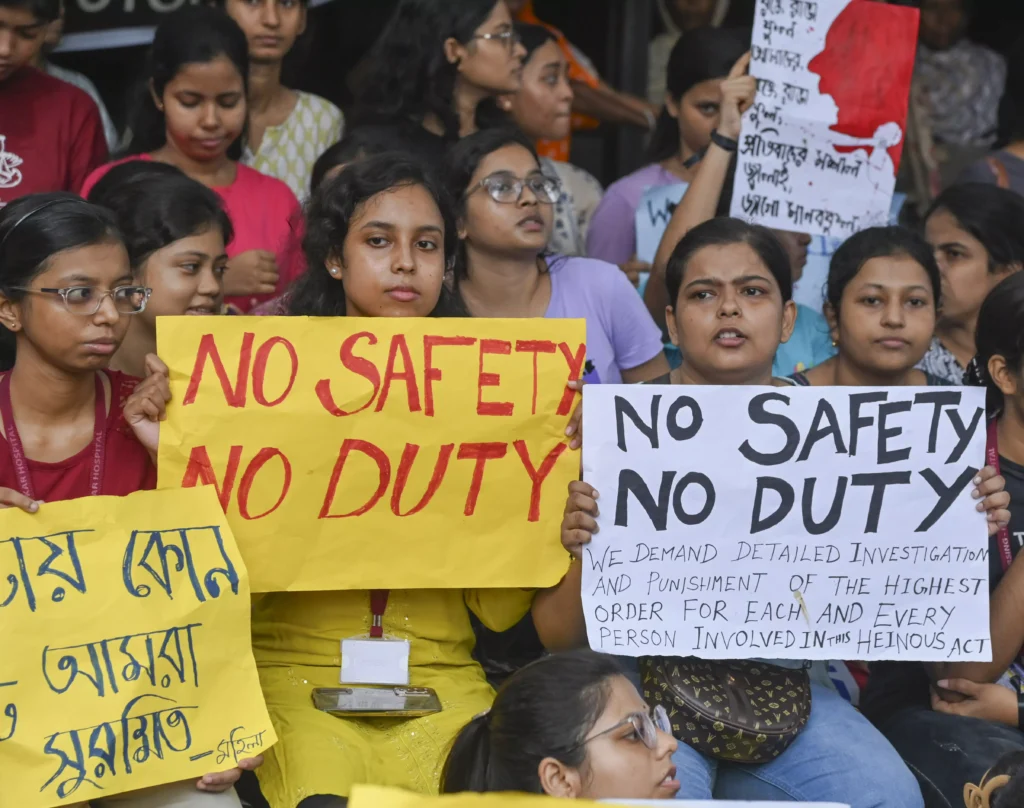

Doctors Strike Across India to Protest: A Nation in Healthcare Crisis
A significant wave of doctor strikes has swept across India, disrupting healthcare services and raising concerns about the country’s healthcare system. Thousands of doctors from both government and private hospitals have participated in these protests, demanding better working conditions, increased pay, and greater safety measures. The strikes have highlighted deep-rooted issues within the healthcare sector and prompted widespread debate about the state of healthcare in India.
Reasons Behind the Strike
The doctors’ strike is driven by multiple grievances that have been building for years. Key issues include:
- Workplace Violence: One of the primary concerns is the increasing incidents of violence against doctors and healthcare staff. Many doctors have reported assaults by patients’ relatives, often due to frustration over perceived inadequate care or long waiting times. Despite legal protections, many feel that enforcement is weak, leaving them vulnerable.
- Poor Working Conditions: Doctors in government hospitals, in particular, have raised concerns about poor working conditions. Overcrowded hospitals, lack of basic medical supplies, and long working hours without adequate rest are some of the challenges that have pushed doctors to the brink.
- Demand for Higher Pay: Another significant issue is the demand for better salaries and benefits. Many doctors, especially those in government service, feel that their compensation does not reflect the long hours and high stress they endure. They are calling for salary revisions and additional incentives for working in challenging environments.
- Staff Shortages: Chronic understaffing in hospitals has exacerbated the workload for doctors, leading to burnout and dissatisfaction. Many hospitals operate with a fraction of the required staff, forcing doctors to take on extra duties, often compromising patient care.
- Healthcare Infrastructure: The strike has also brought attention to the inadequacies in India’s healthcare infrastructure. Many hospitals lack essential equipment, sufficient beds, and even basic amenities, making it difficult for doctors to provide quality care.
Impact of the Strike
The strike has had a significant impact on healthcare services across the country. Non-emergency services in many hospitals have been suspended, and patients requiring routine check-ups or elective surgeries have been turned away. Emergency services have also been affected in some areas, with only a skeletal staff available to handle critical cases.
In major cities like Delhi, Mumbai, and Bangalore, the strikes have led to chaotic scenes in hospitals, with patients and their families expressing frustration over the lack of care. Rural areas, where healthcare services are already limited, have been hit particularly hard, with many patients unable to access even basic medical care.
The strikes have also sparked a debate about the ethical implications of doctors striking. While many support the doctors’ demands, others argue that the strike is putting patients’ lives at risk and worsening the already fragile state of healthcare in the country.
Government Response
The Indian government has been under pressure to address the concerns raised by the striking doctors. In response, government officials have held several rounds of talks with representatives from the medical community to find a resolution. Some state governments have promised to increase security in hospitals and review pay scales, but many doctors bonanza 333 remain skeptical about the implementation of these promises.
In some states, the government has invoked the Essential Services Maintenance Act (ESMA) to compel doctors to return to work, but this has only added to the tension, with many doctors viewing it as an attempt to suppress their rights.
Public Reaction
Public opinion on the strike is divided. Many sympathize with the doctors’ plight, acknowledging the difficult conditions under which they work. However, the disruption in services has also caused frustration among patients and their families, leading to calls for a quicker resolution.
The Way Forward
The doctors’ strike has exposed the deep-seated problems in India’s healthcare system, highlighting the urgent need for reform. Addressing the concerns of the medical community is crucial, not only for the well-being of doctors but also for the overall improvement of healthcare services in the country.
The ongoing doctors’ strike in India is a critical moment for the country’s healthcare system. While the immediate focus is on resolving the strike and restoring services, the underlying issues of poor working conditions, inadequate infrastructure, and insufficient pay need to be addressed to prevent future disruptions. It is a wake-up call for both the government and the public to recognize and act on the systemic problems facing the healthcare sector.